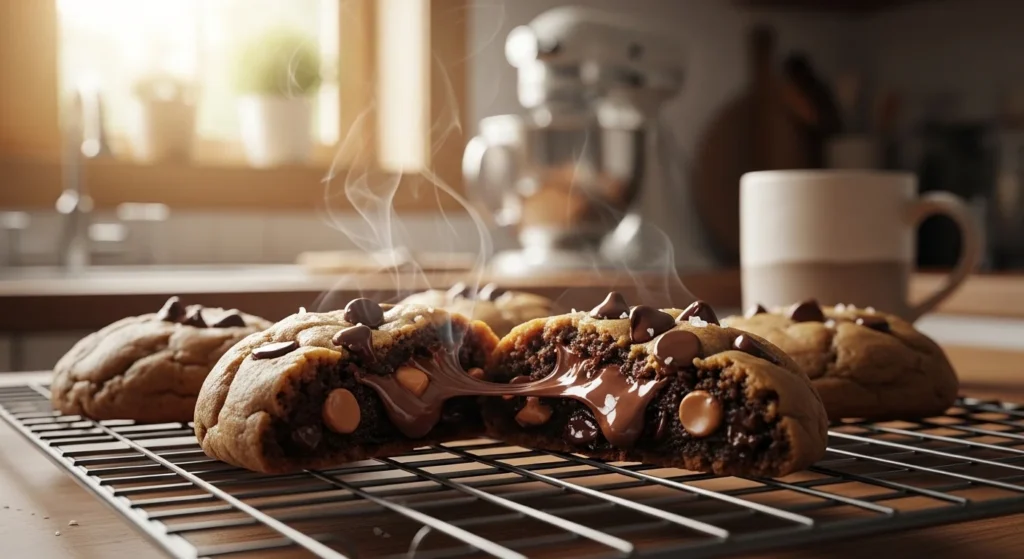
If you’ve ever bitten into a gluten-free cookie that turned out dry, gritty, or crumbly, you know the struggle is real. But here’s the good news: gluten-free chocolate chip cookies can be just as soft, chewy, and irresistible as the classic version.
The secret? It’s all about the right flour blend, proper chilling, and precise baking time.
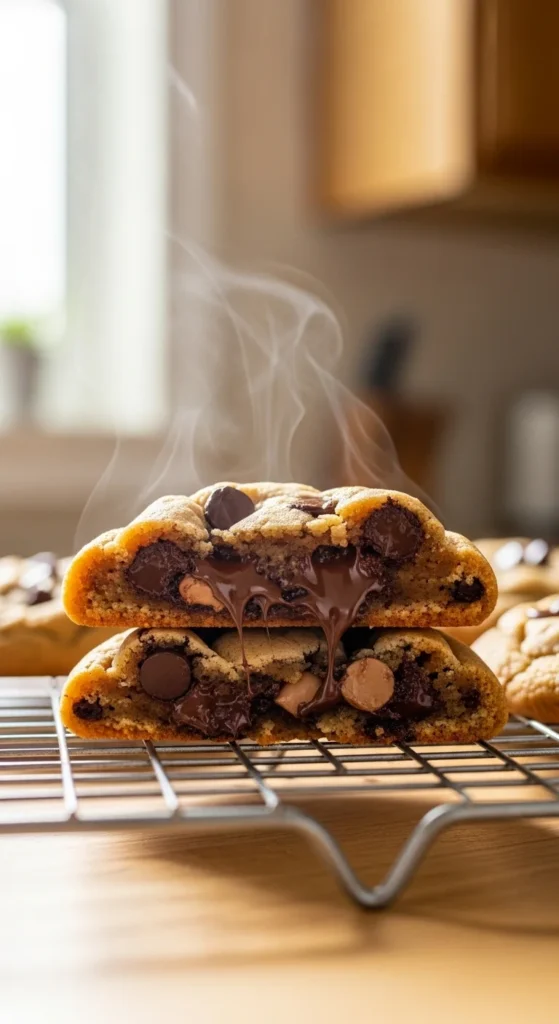
Let’s walk through exactly how to make gluten-free chocolate chip cookies that stay soft for days — no grit, no dryness, just bakery-style goodness.
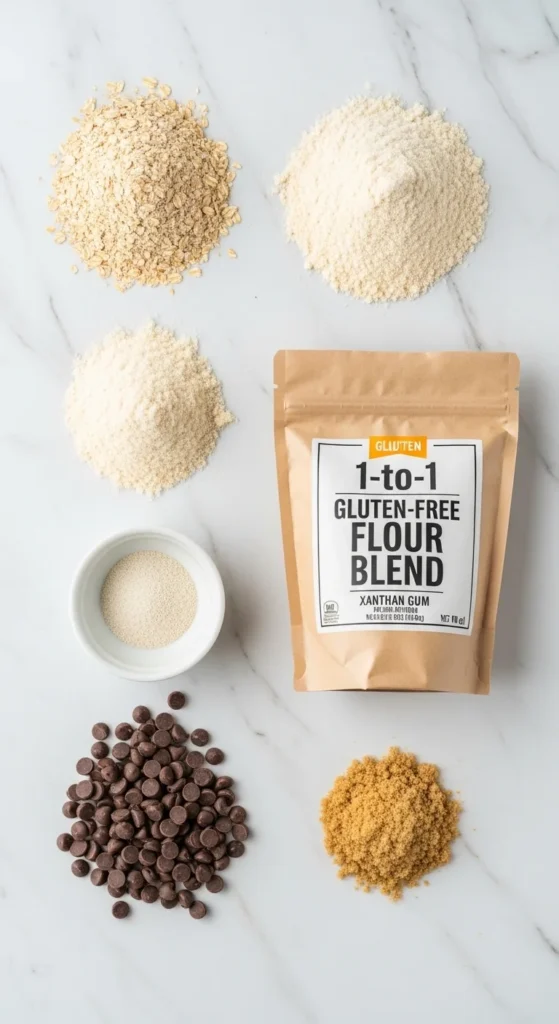
Start with the Right Gluten-Free Flour Blend
Not all gluten-free flours are created equal.
For the best soft texture:
- Use a 1:1 gluten-free baking blend (with xanthan gum included)
- Or combine oat flour + almond flour for extra chew and moisture
- Avoid rice-heavy blends (they can taste gritty)
Why this works:
- Oat flour = softness + chew
- Almond flour = tenderness + moisture
- Xanthan gum = structure (prevents crumbling)
If your blend doesn’t include xanthan gum, add about ½ teaspoon.
Build Softness with the Right Fat and Sugar
Soft gluten-free cookies need moisture support.
Here’s what makes the difference:
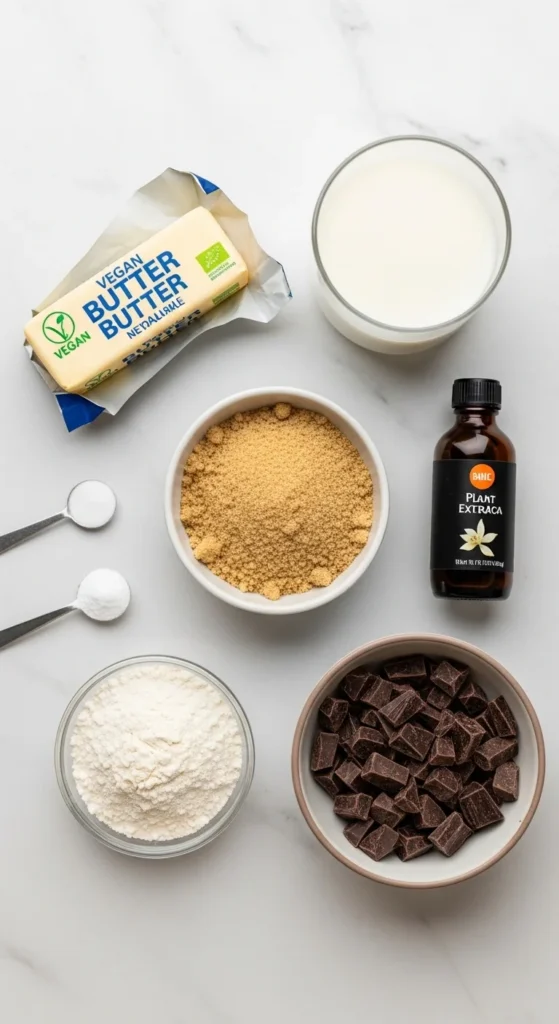
- Brown sugar (¾ to 1 cup packed) → moisture + chew
- Melted butter → helps create slightly crisp edges
- Optional: 2 oz cream cheese → secret weapon for extra softness
- Use egg yolks instead of whole eggs for richness and structure
Brown sugar is especially important because it contains molasses, which holds moisture. That’s what keeps cookies soft even after cooling.
Chill the Dough (Yes, It Matters!)
This is one of the biggest game-changers.
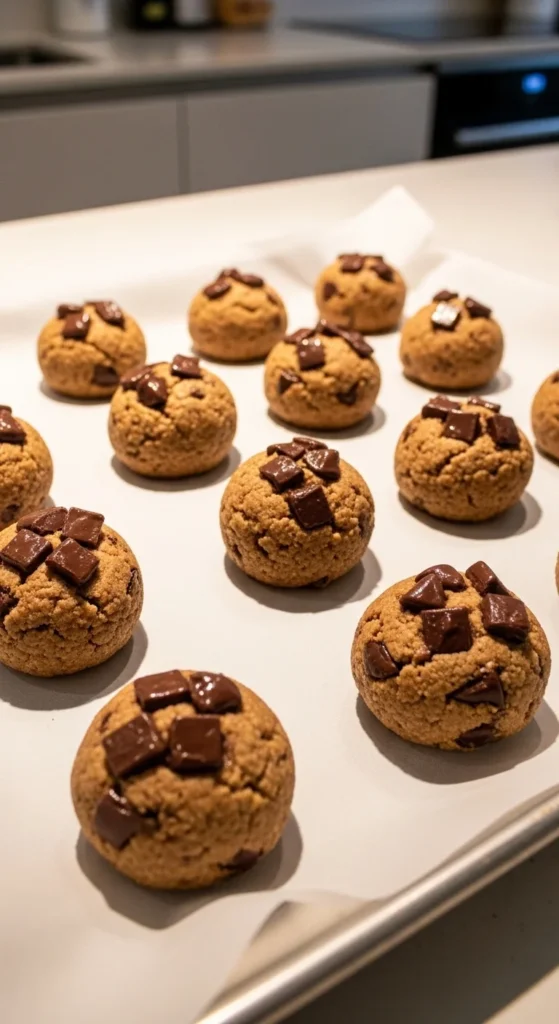
Chilling gluten-free cookie dough:
- Prevents excessive spreading
- Thickens the dough
- Improves texture
- Reduces grittiness
Minimum: 1 hour
Best results: 2–4 hours
Maximum: 24 hours
If you’re short on time, even 30–60 minutes helps.
Add Cornstarch for Tender, Non-Gritty Cookies
One of the most underrated gluten-free baking tricks?
Cornstarch (1–2 tablespoons).
It:
- Softens texture
- Cuts down on grit
- Mimics the tenderness of wheat flour
- Helps create chewy centers
Think of it as a texture insurance policy.
Shape and Bake for Soft Centers
Precision matters more with gluten-free cookies.
Scoop size:
- Use 2 tablespoon scoops
- Yields about 18–24 cookies
- Creates uniform chewy centers
Baking temperature:
- 325–350°F (165–175°C)
- Bake for 10–14 minutes
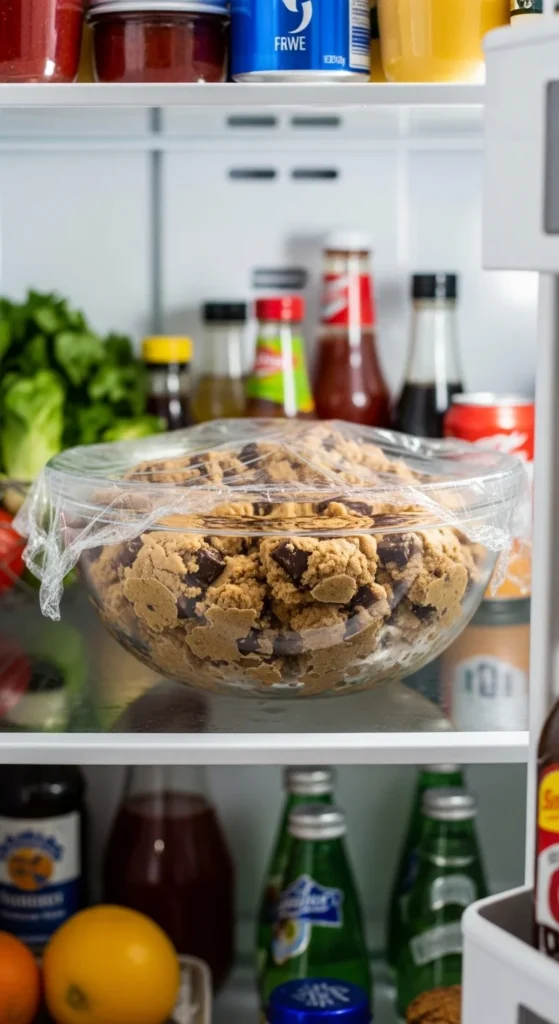
Pull them out when:
- Edges look lightly golden
- Centers still look slightly pale
They will finish setting as they cool.
The Cooling Step (Don’t Skip This!)
Let cookies cool on the baking sheet for 5–10 minutes before transferring.
This allows:
- Structure to set
- Centers to firm up gently
- Moisture to redistribute
Moving them too soon can cause breakage.
Common Gluten-Free Cookie Problems (And How to Fix Them)
Gritty Texture
- Use oat flour or a smoother 1:1 blend
- Add cornstarch
- Chill the dough
Dry or Hard Cookies
- Increase brown sugar slightly
- Add cream cheese
- Don’t overbake
Too Much Spread
- Chill longer
- Make sure butter wasn’t overly melted
- Check oven temperature
Crumbling Cookies
- Add xanthan gum (½ tsp)
- Use egg yolks instead of whole eggs
- Avoid overbaking
Flavor Upgrades for Bakery-Style Results
Want next-level cookies?
- Mix chocolate chips + chopped chocolate chunks
- Sprinkle flaky sea salt on top before baking
- Use dark brown sugar for deeper flavor
- Add 1–2 teaspoons pure vanilla extract
How to Store Them So They Stay Soft
Gluten-free cookies can dry out faster than regular ones, so storage matters.
- Store in an airtight container
- Keep at room temperature for 3–5 days
- Add a small slice of bread to the container (it helps retain moisture)
- Freeze up to 2 months for longer storage
Final Takeaway
The key to gluten-free chocolate chip cookies that stay soft isn’t complicated — it’s about:
- Choosing the right flour blend
- Using brown sugar generously
- Adding cornstarch for tenderness
- Chilling the dough
- Pulling them from the oven slightly underbaked
When you balance those elements, no one will guess they’re gluten-free.
Save this recipe for later, and next time you bake, try chilling half the dough and baking half right away — you’ll taste the difference instantly. 🍪✨