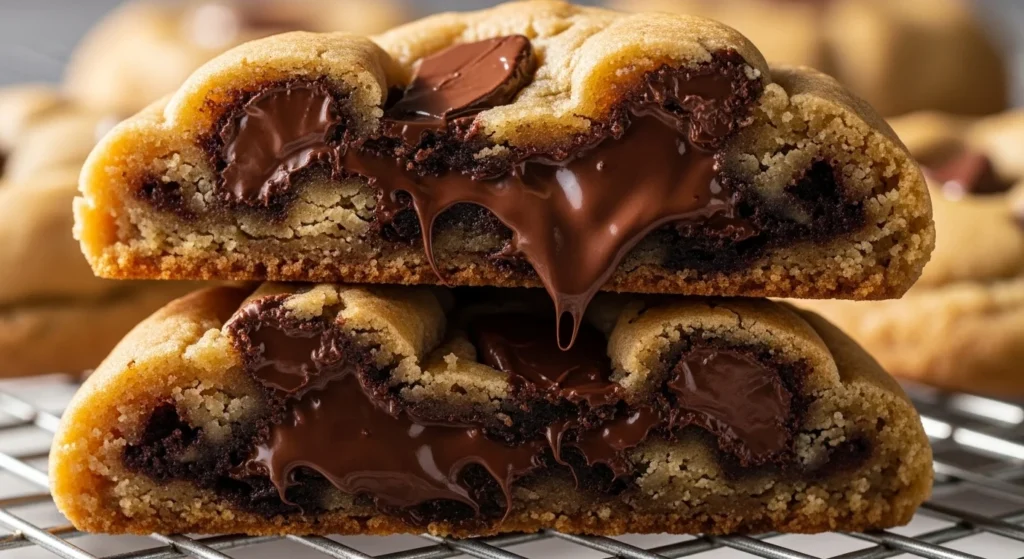
If you’ve ever wondered whether coconut oil can really replace butter in chocolate chip cookies, the answer is yes — and when done right, they’re just as chewy, rich, and irresistible.
Coconut oil creates crisp golden edges, soft chewy centers, and a subtle depth of flavor that makes these cookies stand out. Whether you’re dairy-free, vegan, or simply out of butter, this method delivers bakery-level results.
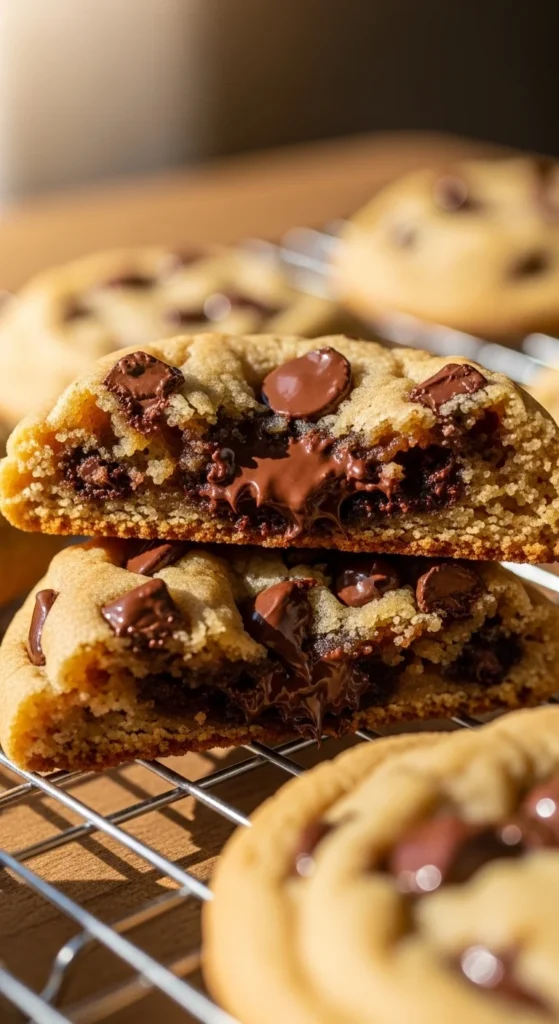
Let’s walk through exactly how to make them perfectly chewy and not greasy.
Choose the Right Coconut Oil (Refined vs Virgin)
Not all coconut oil behaves the same in baking.
Refined Coconut Oil
- Neutral flavor
- No coconut taste
- Best for classic chocolate chip flavor
Virgin Coconut Oil
- Light coconut aroma
- Slight tropical undertone
- Great if you enjoy subtle coconut notes
If you want cookies that taste like traditional butter cookies, go with refined coconut oil.
Use Solid Coconut Oil for Creaming
This is one of the biggest mistakes people make.
For thick, chewy cookies:
- Use solid (room temperature) coconut oil
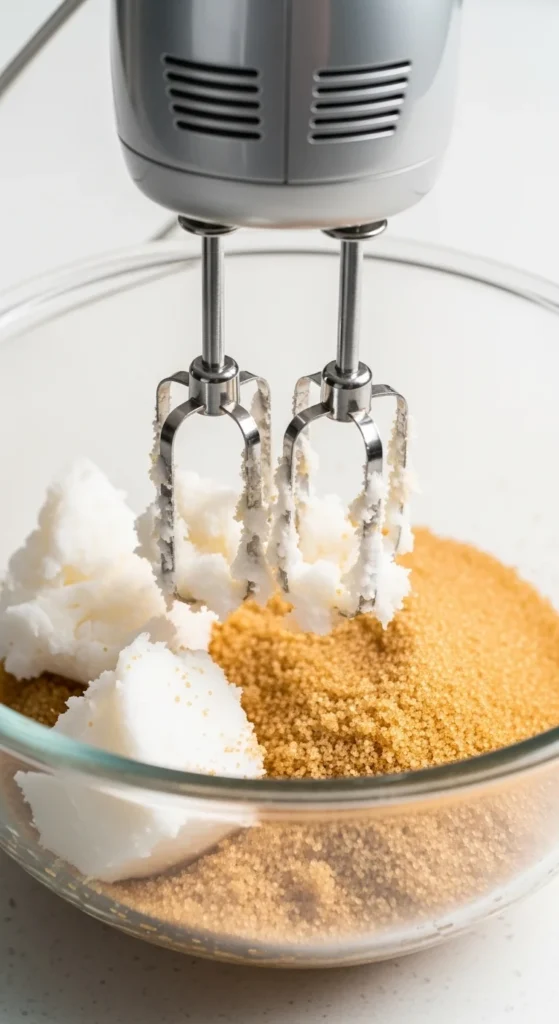
- Cream it with sugar just like butter
- Beat for about 1–2 minutes until fluffy
Using melted oil straight away creates thinner, crispier cookies. That’s fine if that’s your goal — but for chewy centers, creaming solid oil works best.
Brown Sugar Is the Secret to Chewy Texture
Coconut oil cookies can dry out if not balanced properly.
Use:
- ¾ to 1 cup packed brown sugar
- Small amount of white sugar (optional, for crisp edges)
Brown sugar is hygroscopic — it locks in moisture, keeping cookies soft even after cooling.
Add:
- 1½–2 teaspoons vanilla extract (balances oil flavor)
- 1 egg (room temperature) or flax egg for vegan version
Add Cornstarch to Prevent Dryness
Coconut oil behaves differently than butter, so texture adjustments matter.
Add:
- 1–2 teaspoons cornstarch
This helps:
- Mimic butter tenderness
- Reduce dryness
- Create soft chewy centers
Think of it as your texture stabilizer.
Get the Flour Ratio Right
For structure without heaviness:
- 1½–2 cups all-purpose flour
- ¾–1 teaspoon baking soda
- Pinch of salt
Too much flour = dense cookies.
Too little flour = greasy spreading.
Mix until just combined. Overmixing leads to tough cookies.
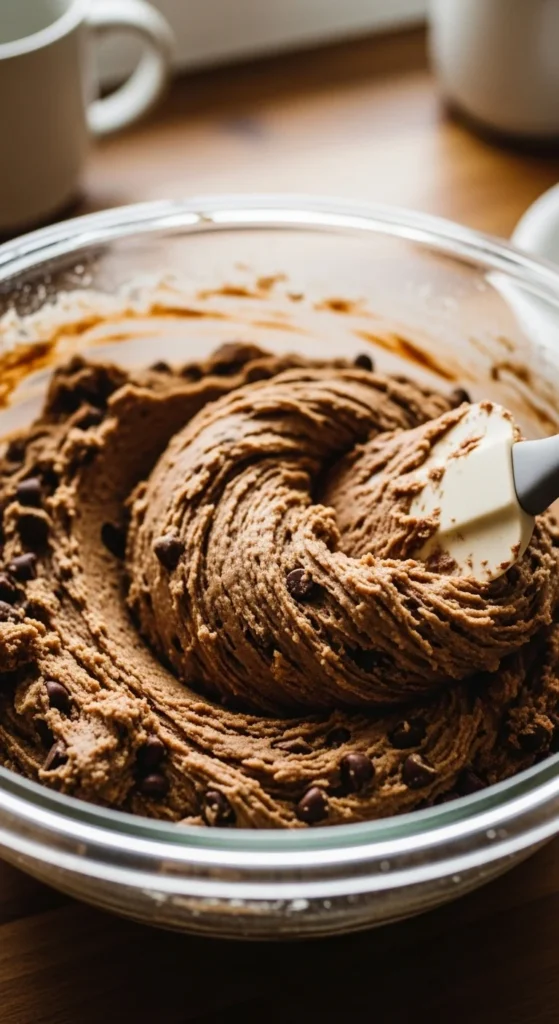
Chill the Dough (Highly Recommended)
Coconut oil softens quickly at room temperature.
Chilling for 30–45 minutes:
- Prevents excessive spreading
- Firms up the fat
- Creates thicker cookies
- Improves flavor
If your kitchen is warm, chilling is essential.
Scoop and Bake for Perfect Texture
Use:
- 2 tablespoon scoops
- Space 2 inches apart
Bake at:
- 350–375°F (175–190°C)
- For 9–12 minutes
Pull them out when:
- Edges are golden
- Centers still look slightly soft
They will continue setting on the baking sheet.
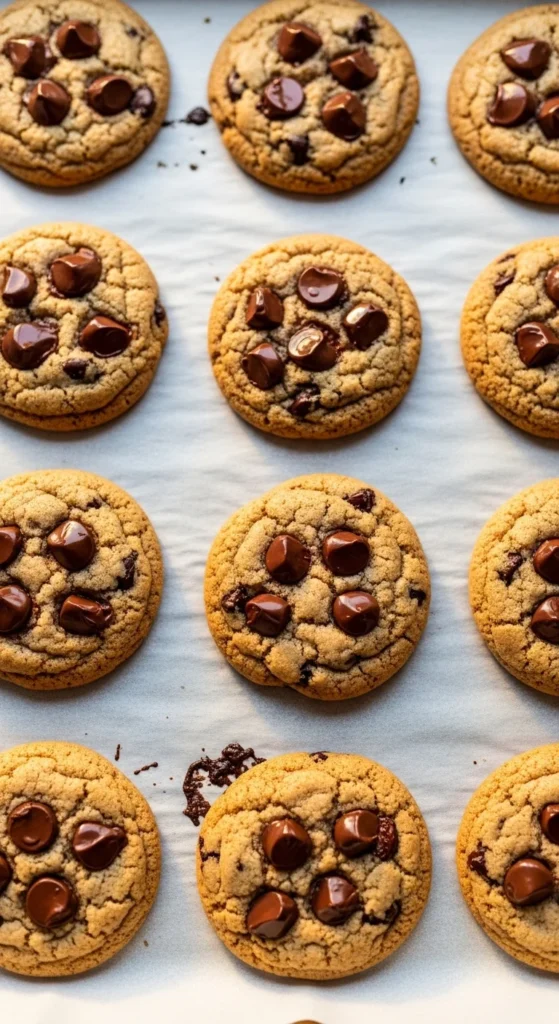
Melted vs Solid Oil (Texture Differences)
Want to experiment?
Solid (Creamed) Oil
- Thicker cookies
- Soft chewy centers
- More traditional look
Melted Oil
- Thinner cookies
- Crispier edges
- Slightly denser chew
Both work — it depends on your preferred texture.
Flavor Upgrade Ideas
Make your coconut oil cookies even better with:
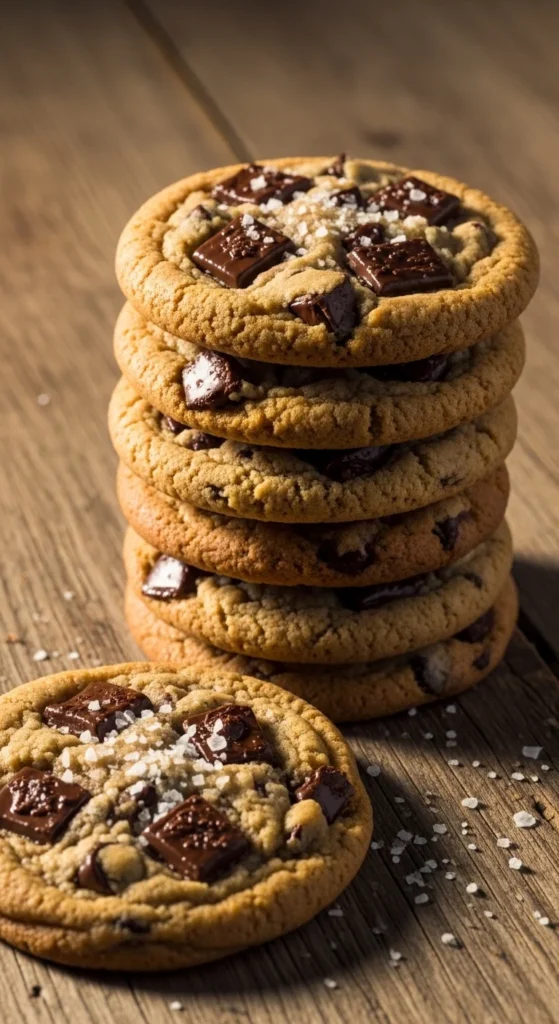
- Dark chocolate chunks + chips mix
- Flaky sea salt sprinkle on top
- Coconut sugar swap for deeper caramel flavor
- Extra vanilla for richer taste
If you’re worried about coconut flavor being too strong, refined oil + high-quality chocolate solves it instantly.
Common Problems (And Easy Fixes)
Cookies Spread Too Much
- Chill longer
- Make sure oil wasn’t melted
- Measure flour accurately
Too Greasy
- Add 1–2 teaspoons cornstarch
- Increase flour slightly (1–2 tbsp)
Too Dry
- Increase brown sugar
- Don’t overbake
- Add extra teaspoon of vanilla
Not Rich Enough
- Add more chocolate
- Use dark chocolate chunks
- Sprinkle sea salt
Cooling Is Part of the Baking
Let cookies cool on the sheet for 5 minutes before transferring.
This helps:
- Set structure
- Finish baking centers
- Prevent breakage
Storage Tips
- Store in an airtight container for 4–5 days
- Add a small slice of bread to retain moisture
- Freeze baked cookies up to 2 months
- Freeze dough balls for fresh baking anytime
Because coconut oil firms when cool, cookies often stay pleasantly chewy at room temperature.
Final Takeaway
To make incredible chocolate chip cookies using coconut oil:
- Use solid oil for creaming
- Lean into brown sugar for moisture
- Add cornstarch for softness
- Chill the dough
- Pull cookies slightly underbaked
When balanced correctly, coconut oil cookies rival butter versions — with crisp edges, chewy centers, and rich chocolate in every bite.
Save this recipe for later and try both refined and virgin coconut oil to discover your favorite flavor profile. 🍪✨