Cooking salmon shouldn’t feel like a gamble—but somehow, it often does. One minute it looks perfect, the next it’s dry… or worse, still raw in the center. The good news? You don’t need luck. You just need a few simple signs to know exactly when your salmon is done.
Once you learn these easy checks, you’ll never second-guess your salmon again.
Why It’s So Easy to Overcook Salmon
Salmon cooks quickly—and keeps cooking even after you take it off the heat.
That’s why:
- It can go from juicy to dry in minutes
- The center might look underdone even when it’s perfect
- Timing alone isn’t always reliable
👉 The trick is to look for visual, texture, and temperature cues instead of guessing.
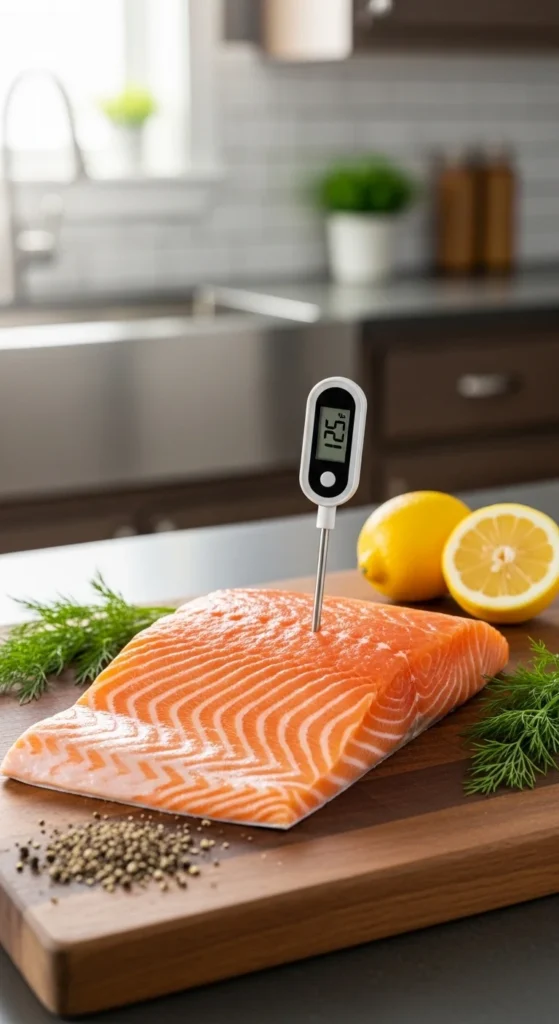
The Most Reliable Method: Use a Thermometer
If you want zero guesswork, this is your best tool.
What to do:
- Insert a thermometer into the thickest part of the salmon
Temperature guide:
- 125–135°F → moist, tender, slightly soft center
- 145°F → fully cooked, firmer texture (USDA safe)
👉 Many chefs prefer pulling salmon early for juicier results
Pro tip:
Remove salmon about 5–10°F before your target temp—it continues cooking as it rests.
The Fork Test (No Tools Needed)
No thermometer? No problem.
How to check:
- Take a fork
- Gently press and twist in the thickest part
What you’re looking for:
- Flakes separate easily
- Texture looks moist—not dry or crumbly
👉 If it flakes easily, it’s done
The Visual Cue: Look for Opacity
This is one of the easiest ways to check.
Watch for:
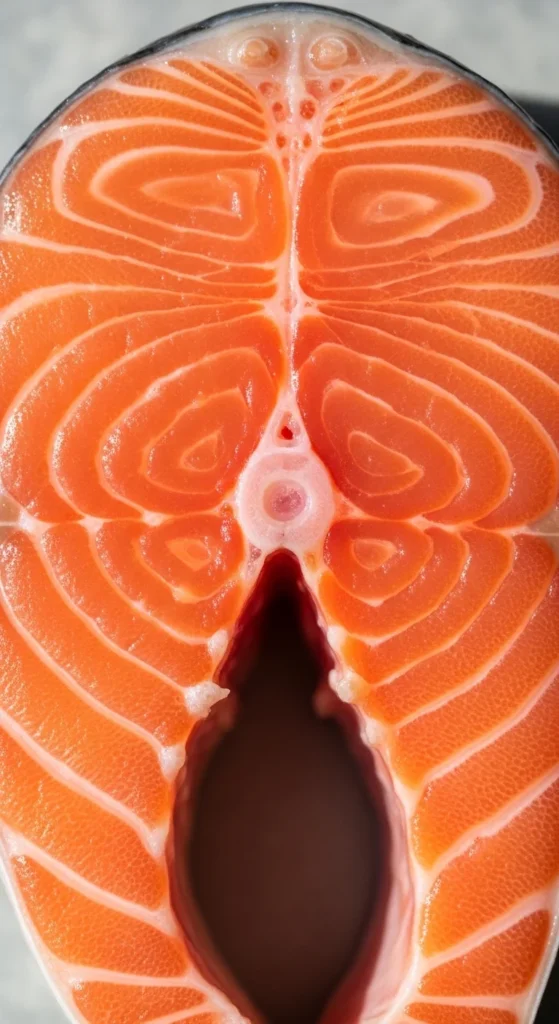
- Color changing from translucent (raw) to opaque (cooked)
- A slightly darker pink center is okay
👉 Fully opaque salmon is cooked, but slightly translucent in the center = perfectly juicy
Bonus tip:
Think of it like a progress bar—the color change moves from bottom to top as it cooks.
The Touch Test (Surprisingly Accurate)
This one feels fancy—but it works.
How to do it:
- Press gently on the salmon with your finger
What it should feel like:
- Soft and squishy → undercooked
- Firm but slightly springy → perfectly done
- Very firm → overcooked
👉 Aim for that “springy” middle ground
Watch for the “White Stuff” (Albumin)
Ever seen white protein ooze out of salmon while cooking?
That’s called albumin.
What it means:
- A little = normal
- A lot = overcooked or too high heat
👉 It’s a helpful warning sign that your salmon is going too far
Don’t Forget Carryover Cooking
This is where most people go wrong.
What happens:
- Salmon keeps cooking after you remove it from heat
- Internal temp rises by 5–10°F
👉 Always pull your salmon slightly early and let it rest
Rest time:
- About 3–5 minutes
Quick Timing Guide (For Reference Only)
Timing helps—but shouldn’t be your only method.
General rules:
- Oven (400°F): 12–15 minutes
- Pan-seared: 8–10 minutes
- Per inch thickness: about 10–12 minutes
👉 Always double-check with visual or texture cues.
Common Mistakes to Avoid
Avoid these and you’ll get perfect salmon every time:
- ❌ Cooking only by time
- ❌ Not checking the thickest part
- ❌ Overcooking “just to be safe”
- ❌ Skipping the resting step
- ❌ Poking too many times (loses juices!)
What Perfect Salmon Looks Like
When everything goes right, your salmon should be:
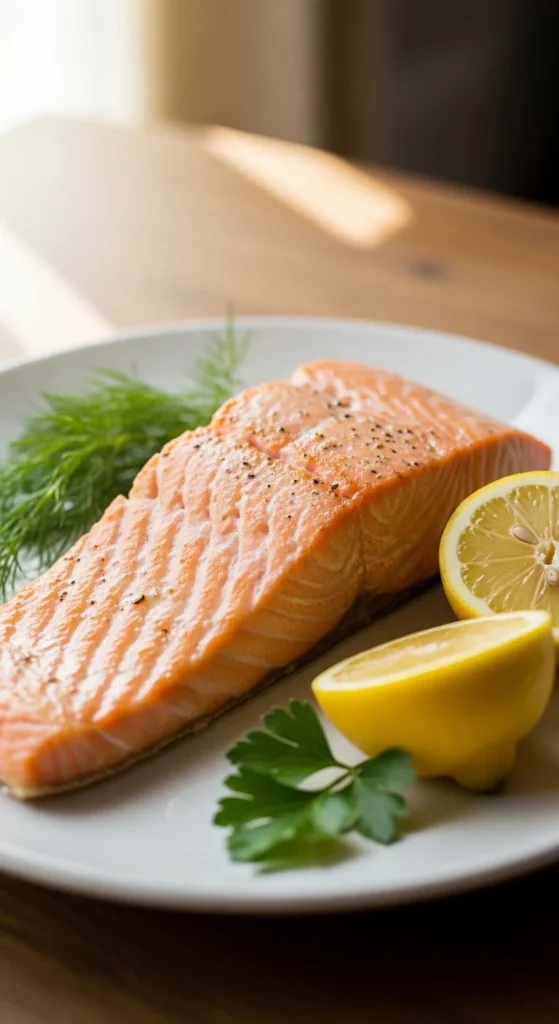
- Flaky but moist
- Slightly glossy in the center
- Easy to separate with a fork
- Tender—not dry

Final Takeaway
Perfect salmon isn’t about guessing—it’s about knowing what to look for.
Remember:
- Use a thermometer for accuracy
- Look for flakes and opacity
- Trust the touch test
- Pull it early and let it rest
Master these simple checks, and your salmon will be perfectly cooked every single time.
✨ Save this guide for later—because once you know these signs, you’ll never overcook salmon again!