You’re standing in the produce aisle, staring at a pile of sweet potatoes… but which ones are actually good? Some turn out silky-smooth and sweet, while others end up stringy, dry, or bland. The secret isn’t luck—it’s knowing exactly what to look for.
Whether you’re roasting, mashing, or baking them into something cozy and delicious, picking the right sweet potato makes all the difference.
Let’s break it down step by step so you can confidently grab the best ones every time.
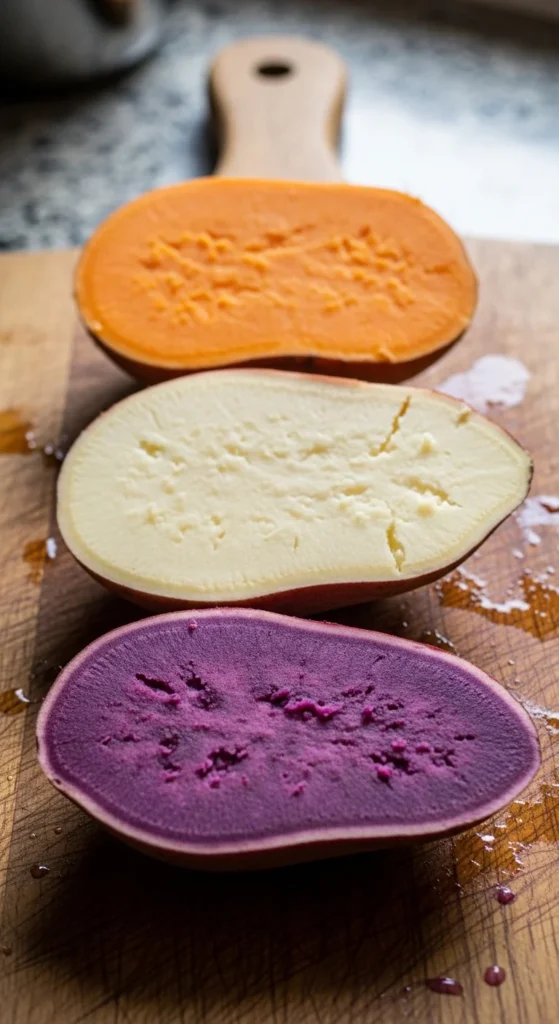
🥔 Know Your Sweet Potato Types
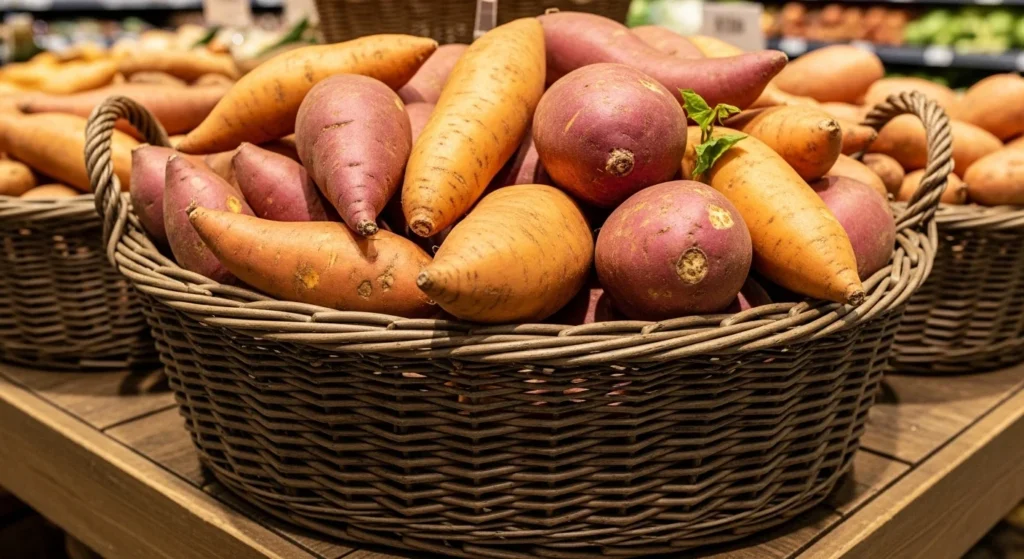
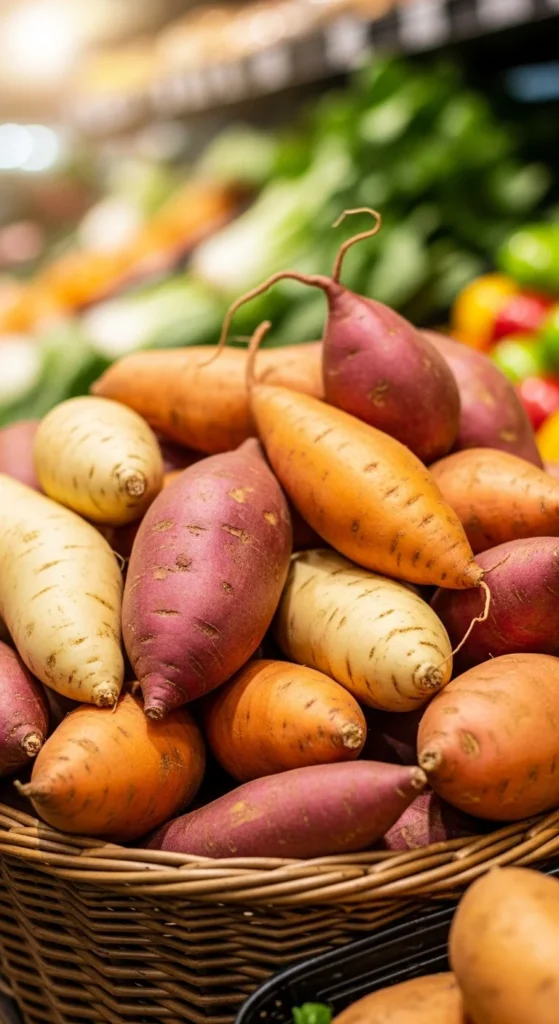
Not all sweet potatoes are created equal. In fact, choosing the right type is the first step to getting the texture and taste you want.
Here are the most common ones you’ll see:
- Orange-fleshed (Beauregard, Jewel)
- Sweet, moist, creamy
- Perfect for roasting, mashing, and baking
- White-fleshed
- Milder flavor, slightly drier
- Great for savory dishes
- Purple sweet potatoes
- Dense, less sweet, slightly nutty
- Ideal for roasting or specialty recipes
👉 Tip: If you want that classic soft, sweet, melt-in-your-mouth texture—go for orange-fleshed varieties.
👀 Look for Smooth, Firm Skin
Appearance tells you a lot about what’s inside.
When choosing sweet potatoes, look for:
- Smooth, unblemished skin
- Firm texture (no soft spots)
- Even color without dark patches
Avoid ones that have:
- Wrinkles (a sign they’re old or dried out)
- Cuts, bruises, or mold
- Sprouting ends
👉 Why it matters: Smooth, firm potatoes are fresher and will cook more evenly with better flavor.
⚖️ Pick the Right Size and Shape
Size actually affects how your sweet potato cooks.
Here’s what to aim for:
- Medium-sized potatoes
- Cook evenly
- Best balance of flavor and texture
- Uniform shape
- Easier to peel and chop
- More consistent cooking
Avoid:
- Extra-large ones (can be stringy or tough)
- Very skinny ones (may dry out quickly)
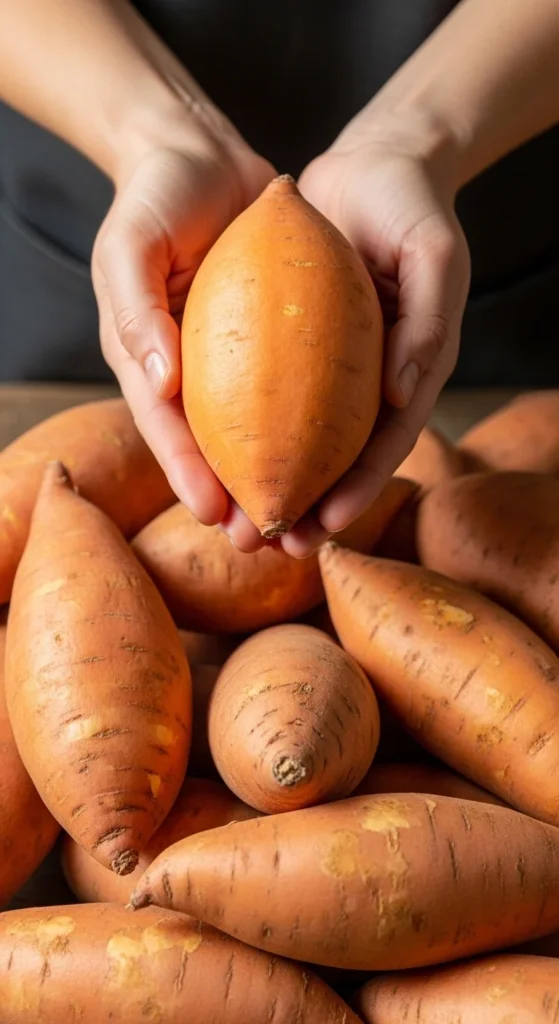
🖐️ Check the Weight (Yes, Really!)
This is a simple trick most people skip.
Pick up a few sweet potatoes and compare:
- Choose ones that feel heavy for their size
👉 Heavier = more moisture = better texture when cooked.
Lightweight sweet potatoes tend to be:
- Dry
- Fibrous
- Less flavorful
🌿 Avoid Refrigerated Sweet Potatoes
This one surprises a lot of people.
Sweet potatoes should NOT be stored in the fridge. If you’re buying them from a cold display, skip them.
Why?
- Cold temperatures affect their flavor
- They can develop a hard core when cooked
👉 Always choose sweet potatoes stored at room temperature in the store.
🍠 Match Your Choice to Your Recipe
Different dishes call for different textures.
Here’s a quick guide:
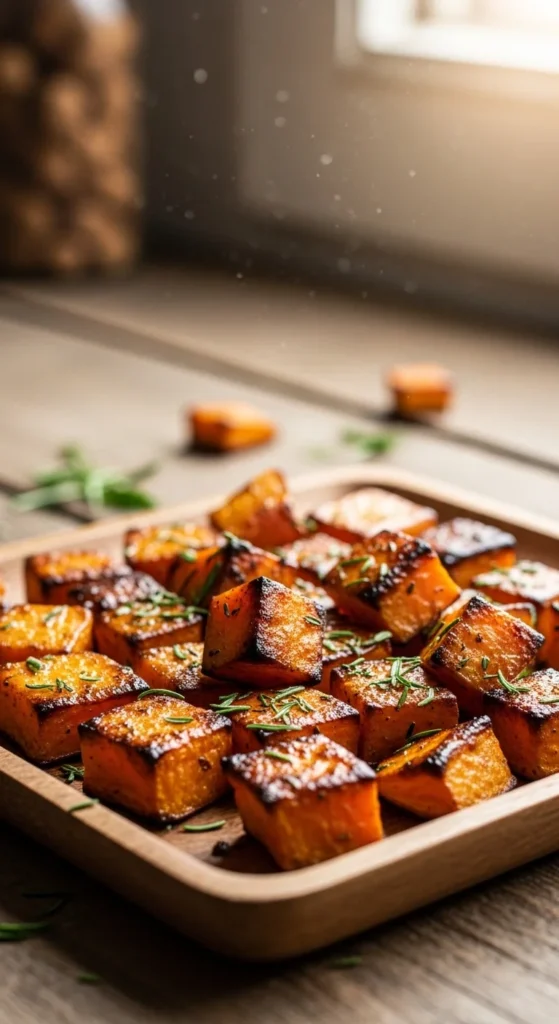
- For roasting:
- Orange-fleshed, medium size
- You’ll get caramelized edges and soft centers
- For mashing:
- Go for the softest, heaviest ones
- Creamier results
- For fries or cubes:
- Slightly firmer varieties hold shape better
- For baking whole:
- Uniform size = even cooking
🛒 How Many Should You Buy?
A quick rule of thumb:
- 1 medium sweet potato = 1 serving
If you’re meal prepping:
- Buy a few extra—they store well for weeks if kept properly
🏠 Storage Tips After You Get Home
Choosing great sweet potatoes is only half the job—you also want to keep them fresh.
Store them:
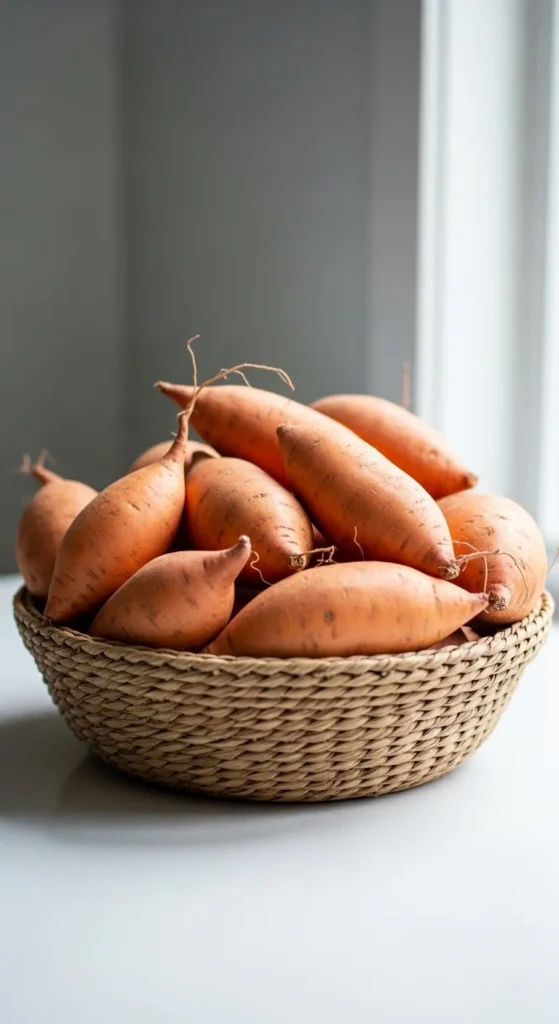
- In a cool, dry, well-ventilated place
- Away from direct sunlight
- Not in plastic bags (they need airflow)
Avoid:
- Refrigeration
- Sealed containers
👉 Proper storage keeps them sweet, firm, and ready to cook anytime.
✨ Quick Checklist Before You Buy
Next time you’re at the store, remember this:
- ✔ Smooth, unblemished skin
- ✔ Firm to the touch
- ✔ Medium size, uniform shape
- ✔ Heavy for their size
- ✔ Stored at room temperature
🧡 Final Thoughts
Choosing the perfect sweet potato isn’t complicated—it just takes a little attention to detail. Once you know what to look for, you’ll never end up with dry or disappointing results again.
So next time you’re shopping, take a moment, pick wisely, and enjoy that rich, naturally sweet flavor in every bite.
👉 Save this guide for your next grocery run—you’ll thank yourself later!