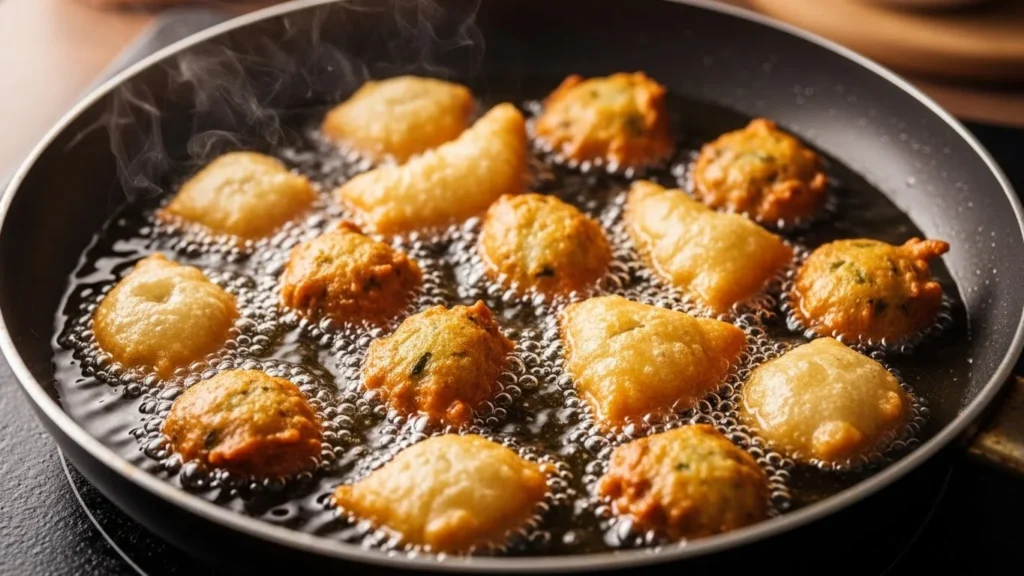
There’s nothing worse than biting into a fried snack that looks golden and crunchy—only to be met with soggy coating and oil-soaked insides. Great fried snacks should be crisp, light, and satisfying, not heavy or greasy.
The good news? Greasy fried food isn’t inevitable. With the right techniques, you can fry snacks that stay crunchy, drain properly, and taste amazing—even at home.
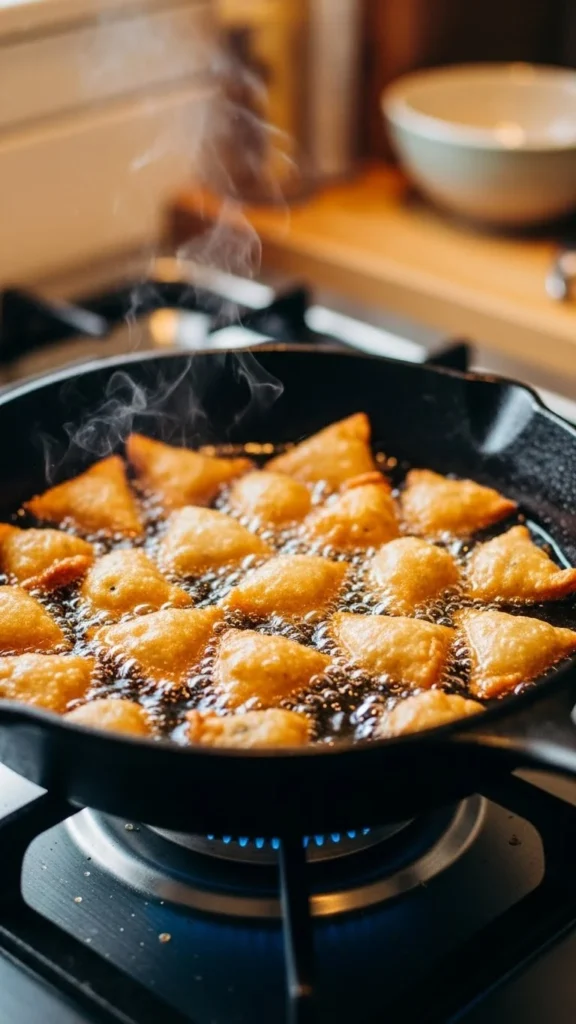
Let’s break down exactly how to get that perfect crispy texture without excess oil.
Understand Why Fried Snacks Turn Greasy
Greasy fried food usually comes down to temperature and timing.
Snacks absorb oil when:
- The oil isn’t hot enough
- Food is overcrowded
- Coatings are too wet
- Snacks stay in oil too long
When oil is properly heated, food cooks quickly and forms a crust that repels oil instead of soaking it up.
Choose the Right Oil for Frying
Not all oils are created equal. The wrong oil can smoke, burn, or cling to food.
Best oils for frying
- Peanut oil
- Canola oil
- Vegetable oil
- Sunflower oil
These oils have high smoke points and neutral flavors, which helps create crisp results.
Oil tips that matter
- Use enough oil so snacks can float slightly
- Avoid reusing oil too many times
- Skim crumbs between batches to prevent burning
Clean oil equals cleaner flavor and better texture.
Dry Ingredients Before They Hit the Oil
Moisture is the fastest way to soggy, greasy results. Water lowers oil temperature and prevents proper crust formation.
What to do
- Pat vegetables and proteins dry with paper towels
- Let washed ingredients air-dry briefly
- Avoid marinating right before frying
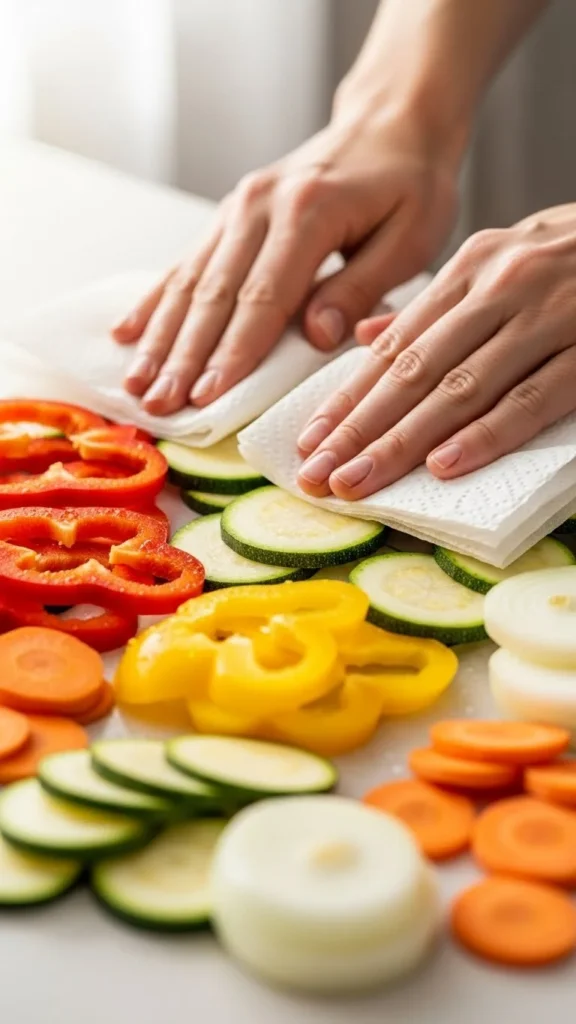
The drier the surface, the faster the crust forms.
Use the Right Coating Technique
A good coating creates a barrier that locks moisture inside and keeps oil out.
Classic crispy coating method
- Light dusting of flour
- Dip in egg or liquid batter
- Final coating (breadcrumbs, flour, or batter)
Extra crunch tips
- Season flour generously
- Let coated food rest 5–10 minutes before frying
- Shake off excess coating
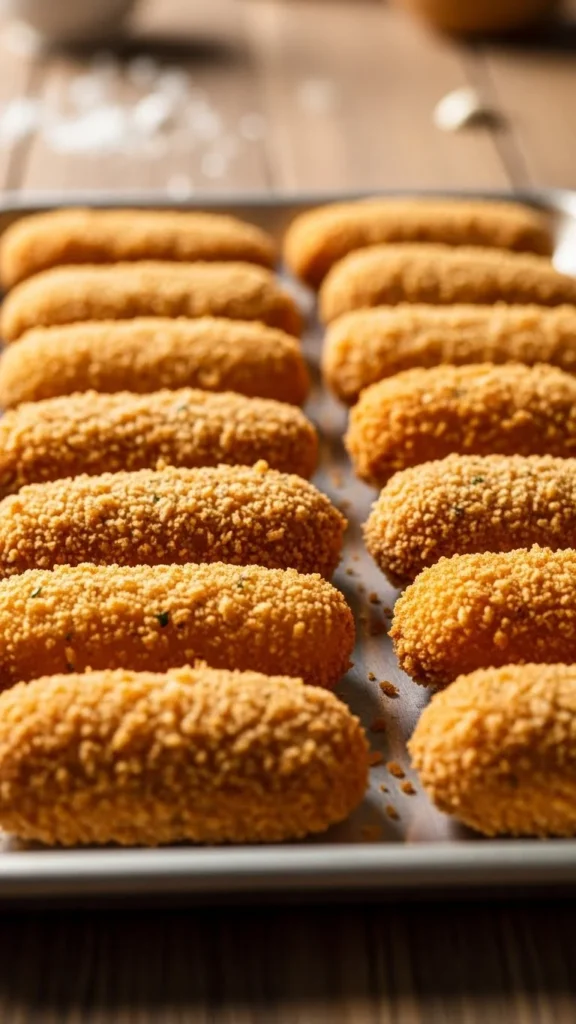
Resting helps the coating stick and fry evenly.
Heat Oil to the Right Temperature
Oil temperature is everything. Too cool, and food absorbs oil. Too hot, and it burns.
Ideal frying temperatures
- Most snacks: 350–375°F (175–190°C)
- Thin items: closer to 375°F
- Thick items: closer to 350°F
If you don’t have a thermometer:
- Drop in a small crumb—if it sizzles immediately, the oil is ready.
Maintain temperature by letting oil recover between batches.
Fry in Small Batches Only
Overcrowding lowers oil temperature instantly and causes steaming instead of frying.
Batch-frying rules
- Leave space between pieces
- Fry similar-sized snacks together
- Wait for oil to reheat before the next batch
Yes, it takes longer—but your snacks will be lighter and crunchier.
Don’t Move Snacks Too Soon
Once food hits the oil, resist the urge to stir immediately.
Why patience matters
- The crust needs time to set
- Moving too early causes coating loss
- Snacks may stick if disturbed too soon
Let one side crisp before flipping or stirring gently.
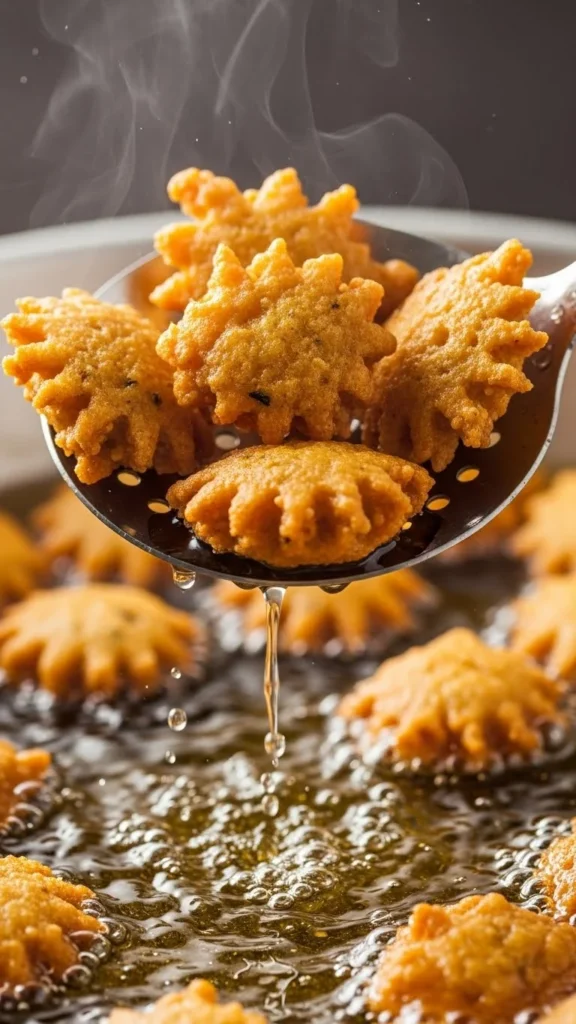
Drain Properly (Paper Towels Aren’t Always Best)
Paper towels absorb oil—but they can also trap steam, softening the crust.
Better draining options
- Wire rack over a baking sheet
- Brief drain on paper towel, then transfer to rack
- Sprinkle salt while snacks are still hot
Air circulation keeps the coating crisp.
Season at the Right Time
Seasoning too early can draw out moisture; too late and it won’t stick.
Best practice
- Salt immediately after frying
- Add spices while snacks are hot
- Toss gently for even coverage
This locks in flavor without affecting crunch.
Keep Fried Snacks Crispy Until Serving
If you’re frying multiple batches, you need a holding strategy.
How to keep snacks crisp
- Place on a wire rack in a warm oven (200°F / 95°C)
- Never cover with foil
- Avoid stacking
This keeps steam from undoing all your hard work.
Quick Fixes for Greasy Results
If snacks come out oily:
- Oil temperature was too low
- Coating was too thick
- Food was overcrowded
- Oil needed to reheat longer
Small adjustments next time will make a big difference.
Final Takeaway
Crispy fried snacks aren’t about using more oil—they’re about using it correctly. When you control moisture, temperature, coating, and draining, fried food becomes golden, light, and irresistible instead of greasy.