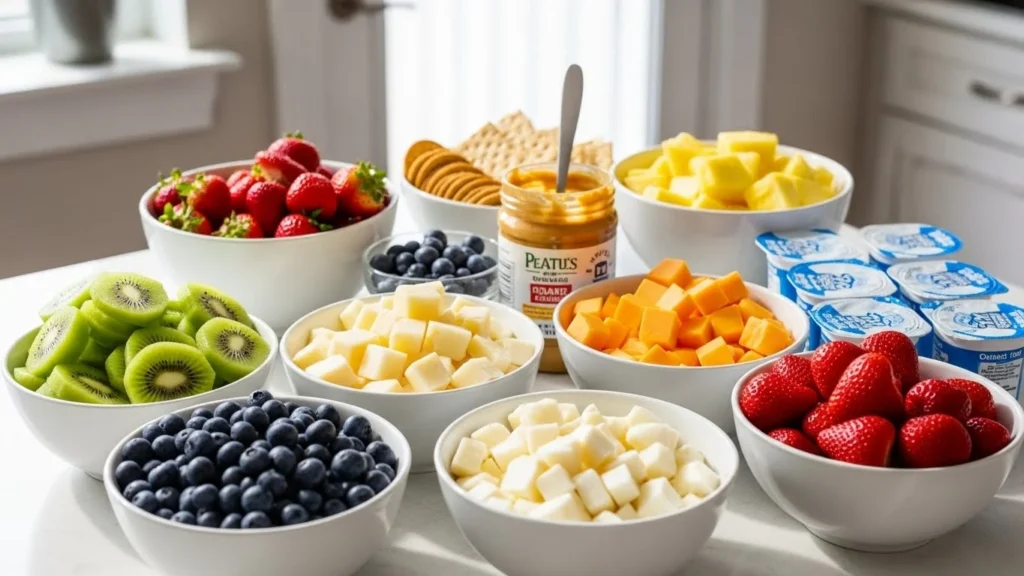
If you’ve ever prepared a “perfectly healthy” snack only to watch it sit untouched, you’re not alone. Kids are honest eaters. If something doesn’t look good, feel familiar, or taste right, they simply won’t eat it. The trick isn’t forcing better snacks—it’s making smart snacks that kids genuinely want.
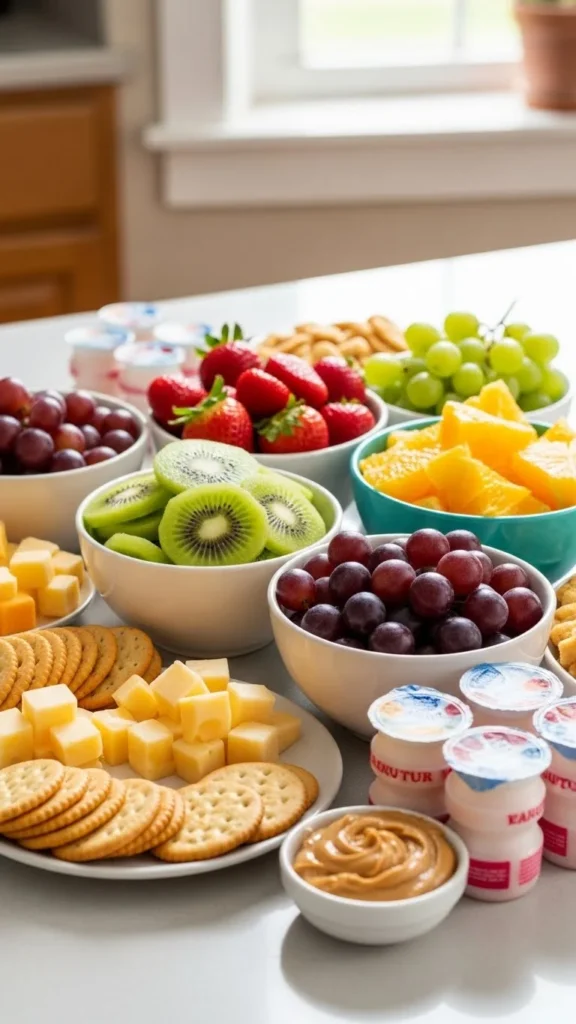
The good news? You don’t need fancy recipes or Pinterest-perfect skills. With a few practical strategies, you can make kids snacks that disappear from the plate—without stress or power struggles.
Start With Foods They Already Like
One of the biggest mistakes adults make is trying to introduce too many new things at once. Kids are more likely to eat snacks that feel familiar.
Start with what they already enjoy:
- Crackers
- Fruit
- Bread or toast
- Yogurt
- Cheese
- Peanut butter
Then gently upgrade those snacks instead of replacing them.
Simple upgrades that work:
- Crackers + cheese instead of crackers alone
- Apple slices + peanut butter instead of plain apples
- Yogurt + honey or berries instead of sugary yogurt cups
The snack still feels “safe,” but it’s more filling and balanced.
Balance Fun With Fullness
Kids snacks shouldn’t just taste good—they should actually hold kids over. The easiest way to do that is pairing energy with staying power.
Aim for:
- Protein or healthy fat (keeps them full)
- Carbohydrates (quick energy)
- Optional fruit or veggie (color and nutrients)
Winning snack combinations:
- Banana + peanut butter
- Cheese + whole-grain crackers
- Yogurt + granola
- Toast + nut butter + fruit
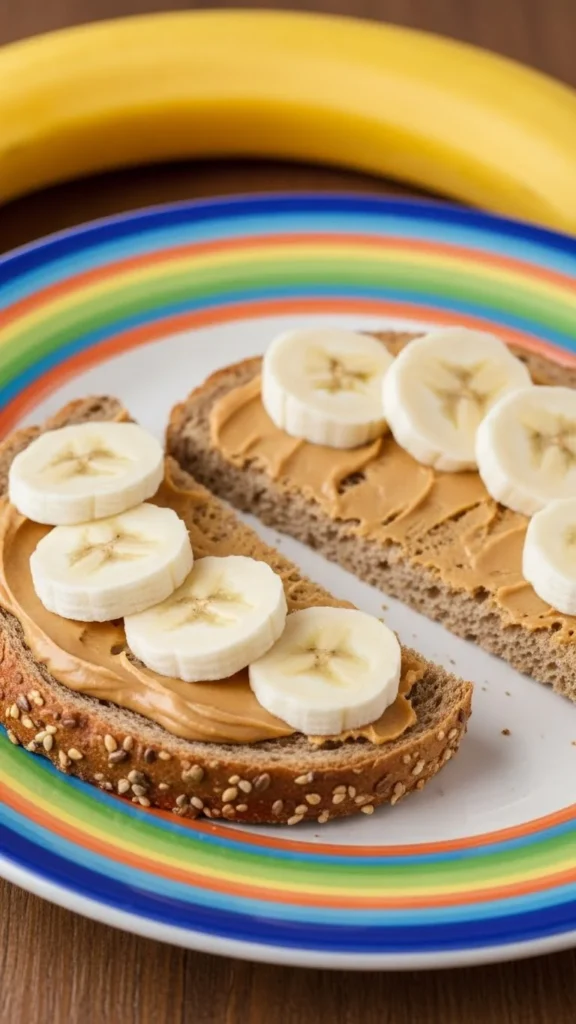
When snacks are balanced, kids are less likely to ask for more food ten minutes later.
Make Snacks Look Appealing (Without Extra Work)
Kids eat with their eyes first. Presentation matters—but it doesn’t have to be complicated.
Easy ways to make snacks more appealing:
- Use colorful plates or bowls
- Cut food into bite-sized pieces
- Serve dips on the side
- Arrange snacks neatly instead of piling them
Examples:
- Apple slices with a small dip cup of peanut butter
- Veggie sticks arranged around hummus
- Yogurt served with toppings kids can add themselves
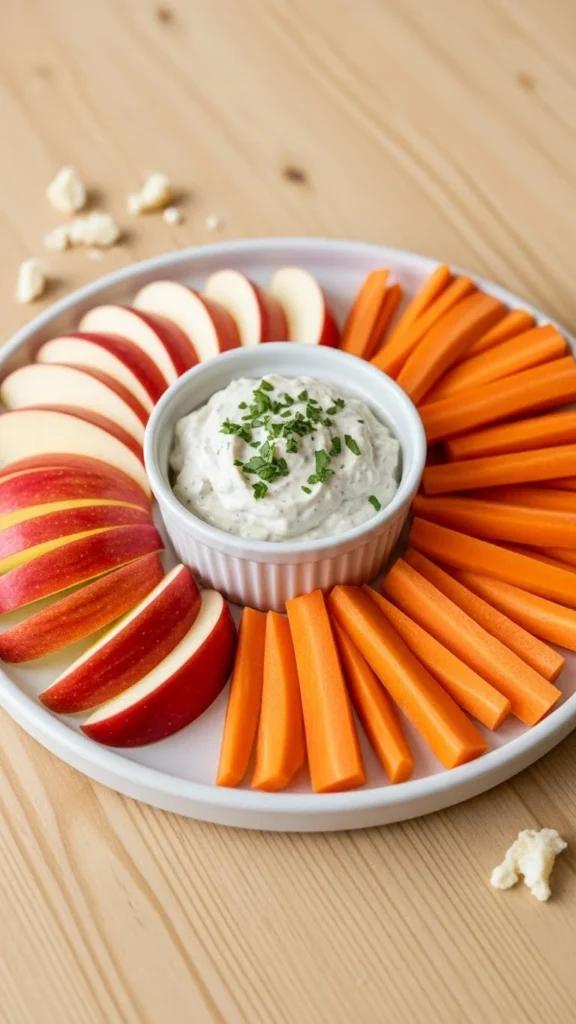
When snacks look intentional, kids are far more likely to try them.
Sweet Snacks That Don’t Lead to Sugar Crashes
Most kids ask for something sweet—and that’s okay. The goal isn’t removing sweetness, but avoiding snacks that cause big energy crashes.
Better sweet snack ideas:
- Yogurt with honey or fruit
- Frozen grapes or berries
- Toast with nut butter and a little jam
- Oatmeal with cinnamon and banana
- Simple homemade energy bites
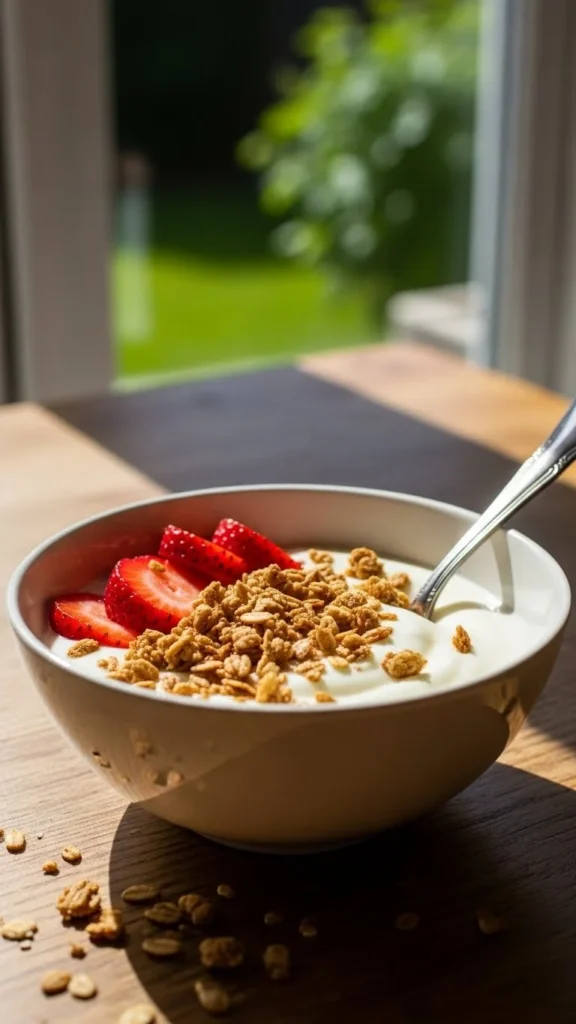
These options feel like treats but provide steady energy and fewer meltdowns later.
Savory Snacks for Big Appetites
Some kids come home starving, especially after school or activities. On those days, savory snacks work best.
Filling savory snack ideas:
- Mini sandwiches
- Quesadilla wedges
- Hard-boiled eggs with salt
- Hummus with pita or crackers
- Leftover rice or pasta warmed up
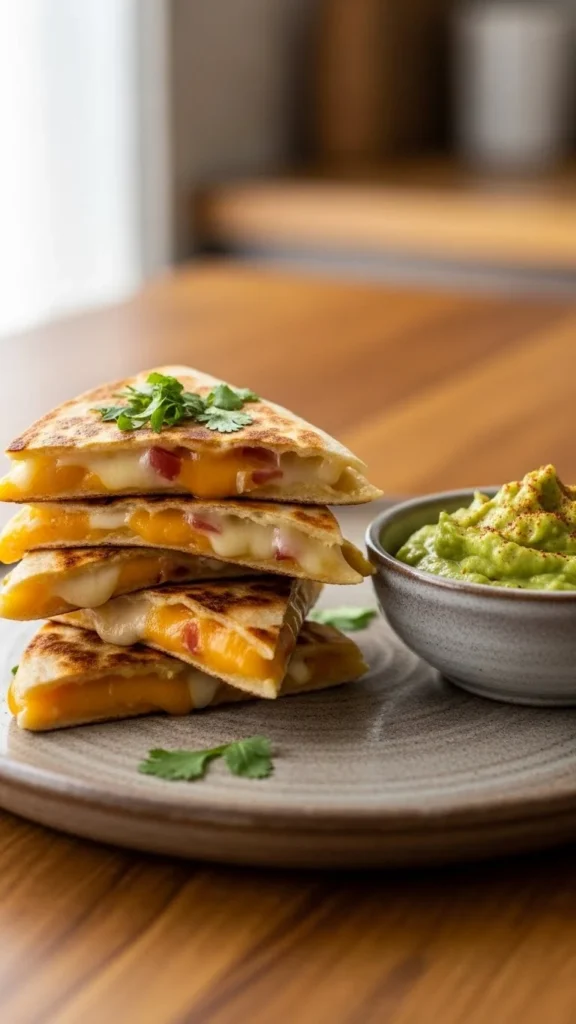
Savory snacks can feel like a “mini meal” and prevent overeating at dinner.
Prep Ahead to Avoid Daily Stress
When kids are hungry, patience disappears—fast. A little prep can make snack time smoother for everyone.
Easy prep ideas:
- Wash and cut fruit once or twice a week
- Portion snacks into containers
- Keep snack foods at kid eye level
- Pre-make muffins, energy bites, or boiled eggs
When snacks are ready to grab, you’re less likely to rely on packaged options.
Give Kids Some Choice
Kids are more likely to eat snacks when they feel involved.
Try:
- Offering two snack options instead of one
- Letting kids assemble their own snack plate
- Keeping a “snack drawer” with approved choices
Choice reduces resistance and builds independence.
The Takeaway
Making kids snacks they’ll actually eat isn’t about perfection—it’s about familiarity, balance, and a little fun. Start with foods they love, pair them smartly, and keep snacks simple and accessible.