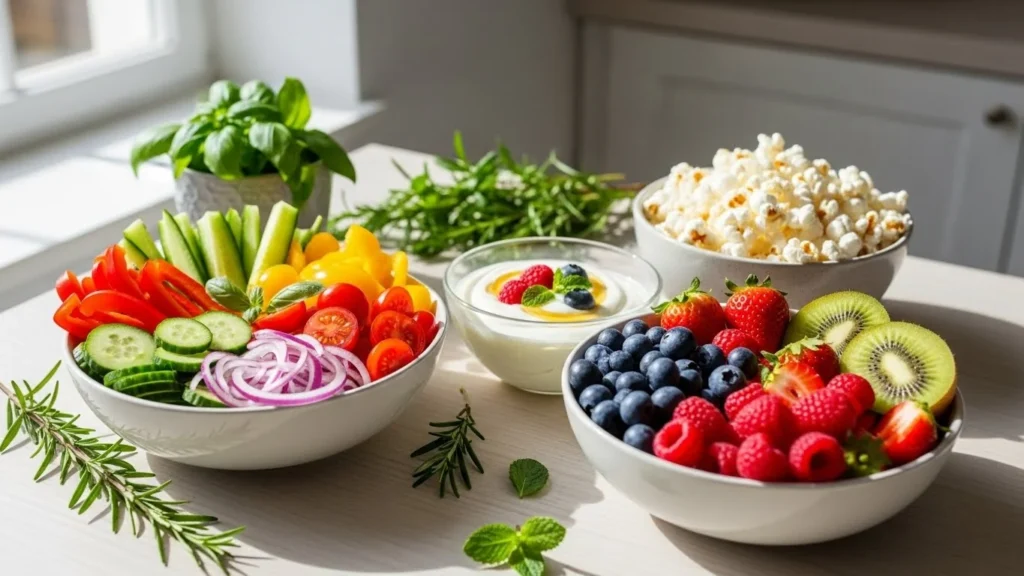
Ever grab a “light” snack and feel even hungrier five minutes later? That’s the biggest frustration with low-calorie eating—it often leaves you unsatisfied and reaching for more food. But low-calorie doesn’t have to mean low-satiety.
The secret is choosing snacks that give you volume, texture, and balance, not just fewer calories. When you snack smart, you can stay full, energized, and happy—without blowing your daily goals.
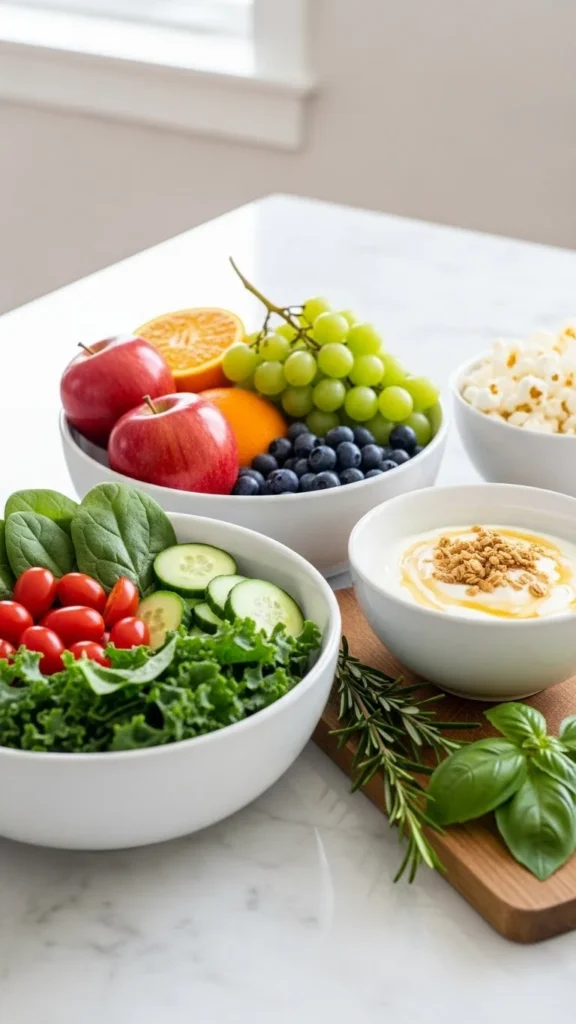
Let’s break down how to build low-calorie snacks that actually keep hunger away.
Understand Why Low-Calorie Snacks Fail
Most low-calorie snacks fail for one simple reason: they’re missing what your body needs to feel satisfied.
Snacks that leave you hungry are usually:
- Very low in protein
- Lacking fiber
- Too small in volume
- Overly processed or sugary
To fix this, you don’t need to eat more calories—you need to eat smarter calories.
Focus on Volume Foods First
Volume foods let you eat more food for fewer calories. They physically fill your stomach, which sends fullness signals to your brain.
Best low-calorie volume foods
- Fresh vegetables (cucumbers, carrots, celery, zucchini)
- Leafy greens
- Air-popped popcorn
- Berries
- Broth-based soups
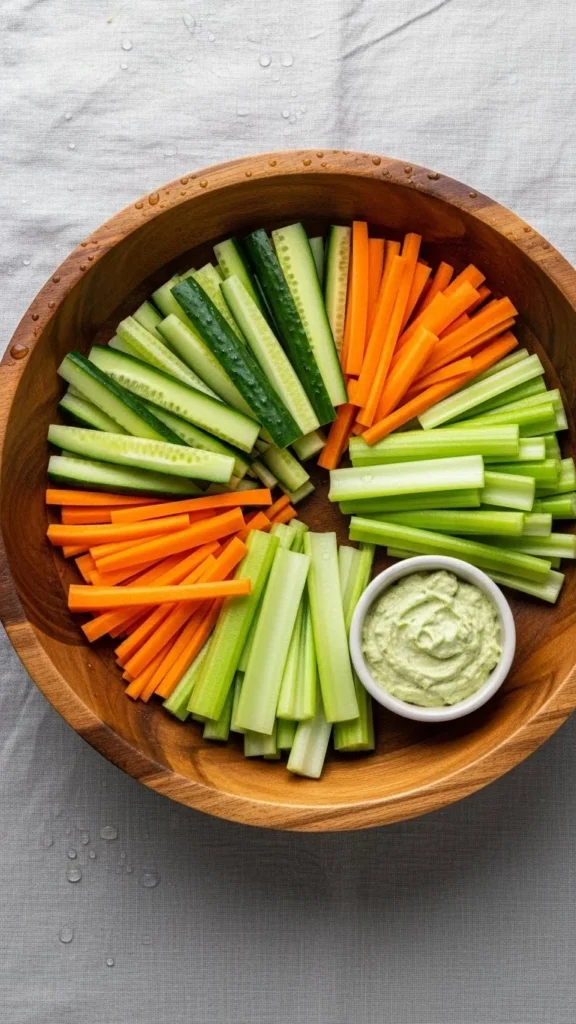
Why this works: You feel like you’re eating a lot, even though calorie intake stays low.
Add Protein to Stretch Fullness
Protein is critical when calories are low. Even a small amount helps control appetite and slows digestion.
Easy low-calorie protein additions
- Greek yogurt or skyr
- Cottage cheese
- Egg whites
- Light cheese
- Tofu cubes
You don’t need a lot—10 grams of protein can make a big difference.
Simple combos
- Veggies + Greek yogurt dip
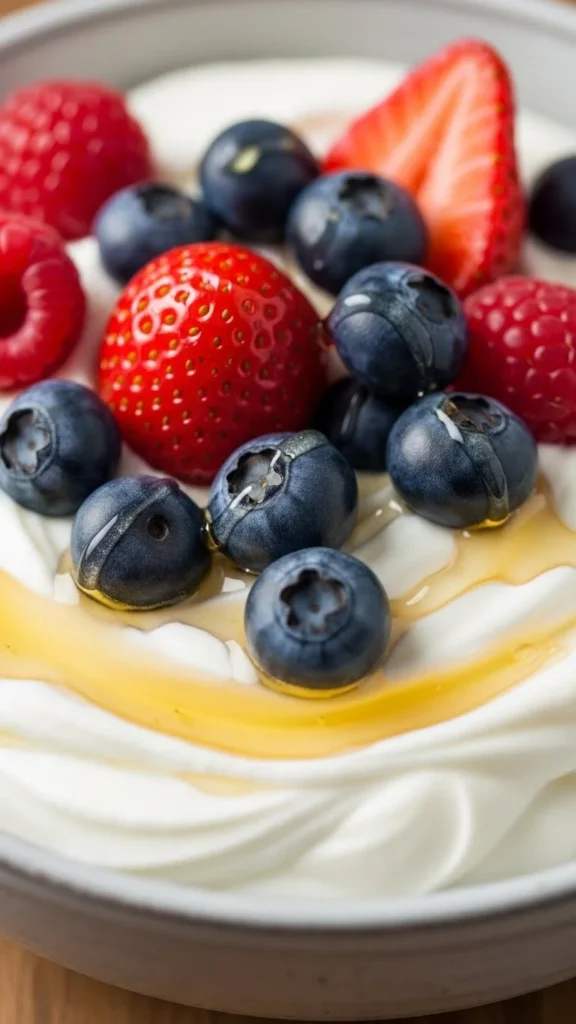
- Berries + yogurt
- Egg whites + sautéed vegetables
Use Fiber to Stay Full Longer
Fiber adds bulk and keeps digestion slow and steady, which helps prevent sudden hunger spikes.
High-fiber, low-calorie choices
- Apples and pears
- Berries
- Popcorn
- Oat bran
- Chia seeds (small amounts)
Pair fiber with protein whenever possible to maximize fullness.
Example: Air-popped popcorn with nutritional yeast or a light protein dip.
Don’t Skip Healthy Fats—Just Use Them Strategically
Fat is calorie-dense, but cutting it out completely often backfires. A small amount of fat improves satisfaction and flavor.
Smart low-calorie fat choices
- A teaspoon of nut butter
- A drizzle of olive oil
- A few nuts or seeds
- Avocado slices
Used sparingly, fats help snacks feel indulgent without adding many calories.
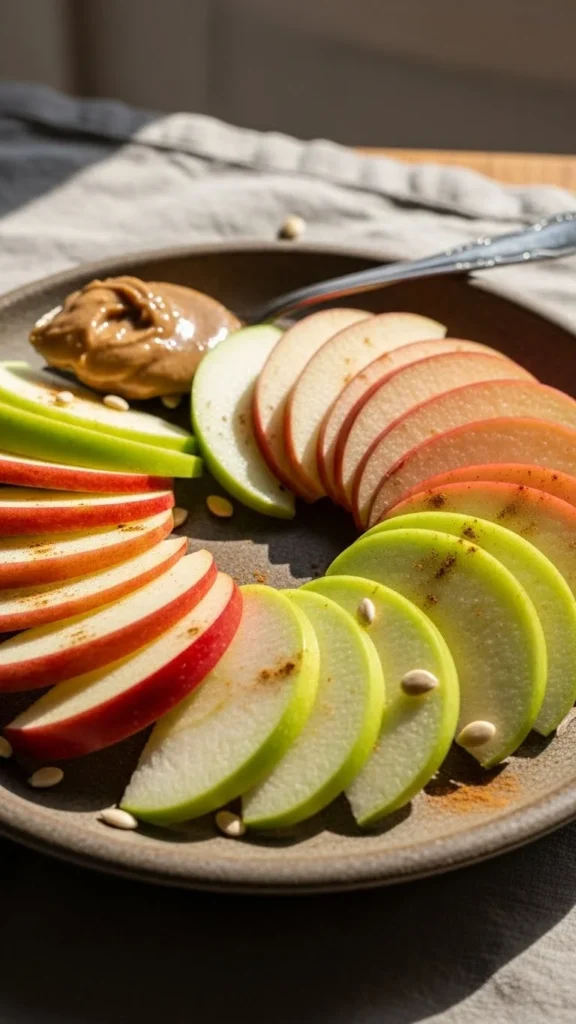
Build Low-Calorie Snacks That Feel Like Real Food
The most filling snacks feel like mini meals—not diet food.
Balanced low-calorie snack formulas
- Veggies + protein dip
- Fruit + protein
- Soup + crunchy side
- Popcorn + seasoning
Examples that work
- Cottage cheese with cucumber and herbs
- Vegetable soup with extra veggies
- Greek yogurt with cinnamon and berries
- Popcorn with smoked paprika
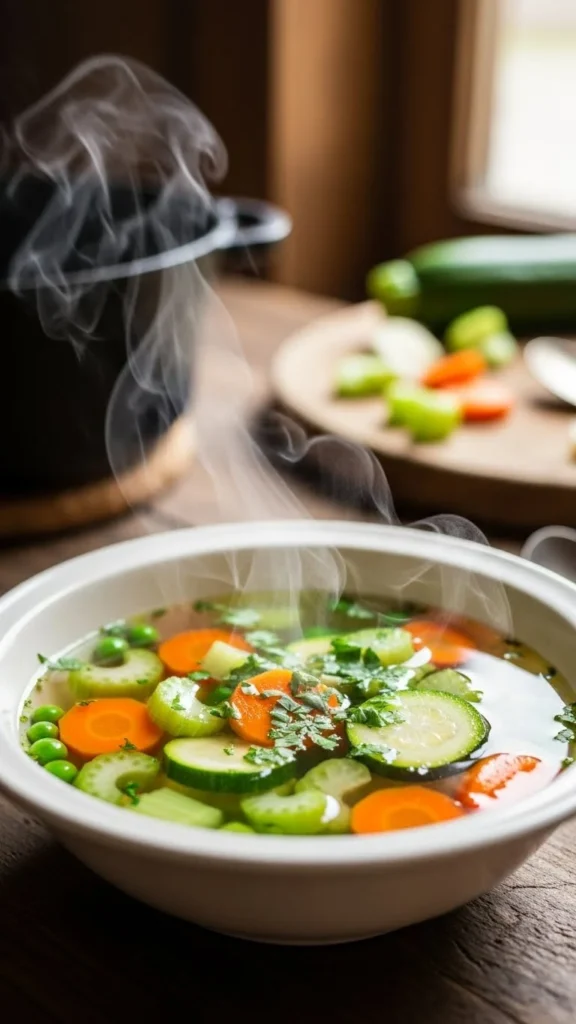
Slow Down and Eat With Intention
Even the best low-calorie snack won’t satisfy if you eat it distracted or rushed.
Simple habits that reduce hunger
- Sit down while snacking
- Use a bowl instead of eating from the bag
- Chew slowly
- Pay attention to texture and flavor
Mindful eating helps your brain register fullness before you overeat.
Plan Snacks Before Hunger Hits
The biggest reason low-calorie snacking fails? Waiting until you’re too hungry.
Make it easier by:
- Pre-cutting vegetables
- Portioning yogurt or popcorn
- Keeping snacks visible in the fridge
- Having 2–3 go-to options ready
Preparation prevents impulse eating and keeps calories in check.
Final Takeaway
Low-calorie snacks don’t have to leave you hungry or frustrated. When you focus on volume, protein, fiber, and a touch of fat, you can snack in a way that feels satisfying and sustainable.