A great snack dip has a special kind of power. It pulls people into the kitchen, keeps them hovering around the table, and somehow disappears faster than anything else at the party. Chips can be optional. Veggies are negotiable. But a really good dip? Non-negotiable.
The secret to making snack dips everyone loves isn’t complicated recipes or expensive ingredients—it’s balance. Creamy meets crunchy. Savory meets fresh. Familiar flavors with just enough twist to feel exciting.
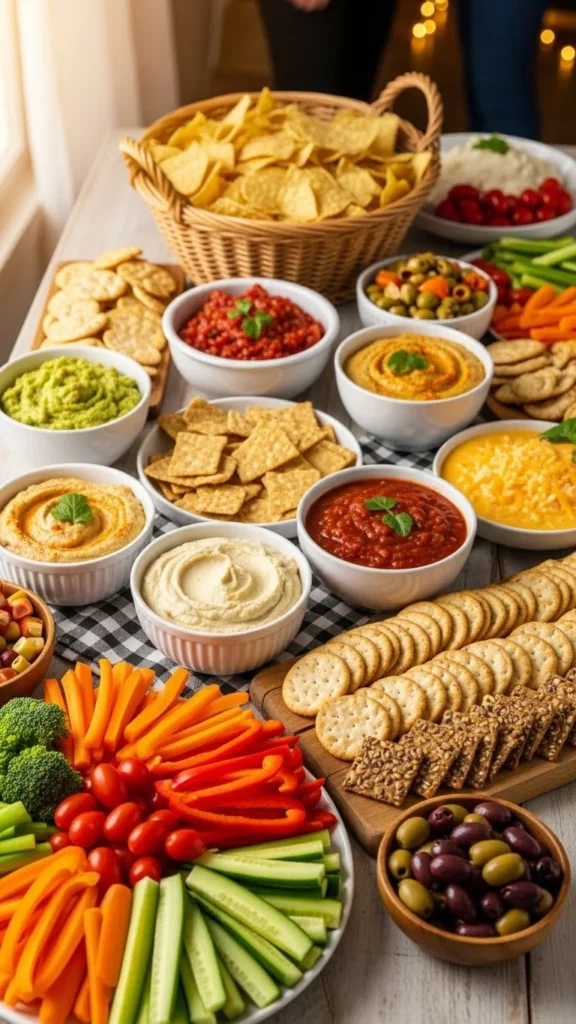
Start With a Crowd-Friendly Base
Every great dip starts with a solid base. This is where texture and richness come from.
Popular dip bases that always work:
- Cream cheese
- Sour cream
- Greek yogurt
- Mayonnaise
- Mashed beans or chickpeas
Creamy bases are comforting and familiar, which is why people reach for them first. If you want a lighter feel, Greek yogurt or blended beans offer creaminess without heaviness.
Pro tip: Let creamy bases sit at room temperature for 10–15 minutes before mixing—this makes blending smoother and flavor more even.
Balance Richness With Bright Flavor
Rich dips are satisfying, but without brightness they can taste flat. Acid and freshness make dips crave-worthy.
Easy ways to add brightness:
- Lemon or lime juice
- Vinegar (apple cider, red wine, or balsamic)
- Fresh herbs
- Pickled ingredients
Even a small splash of acid can wake up the entire dip and keep it from feeling heavy.
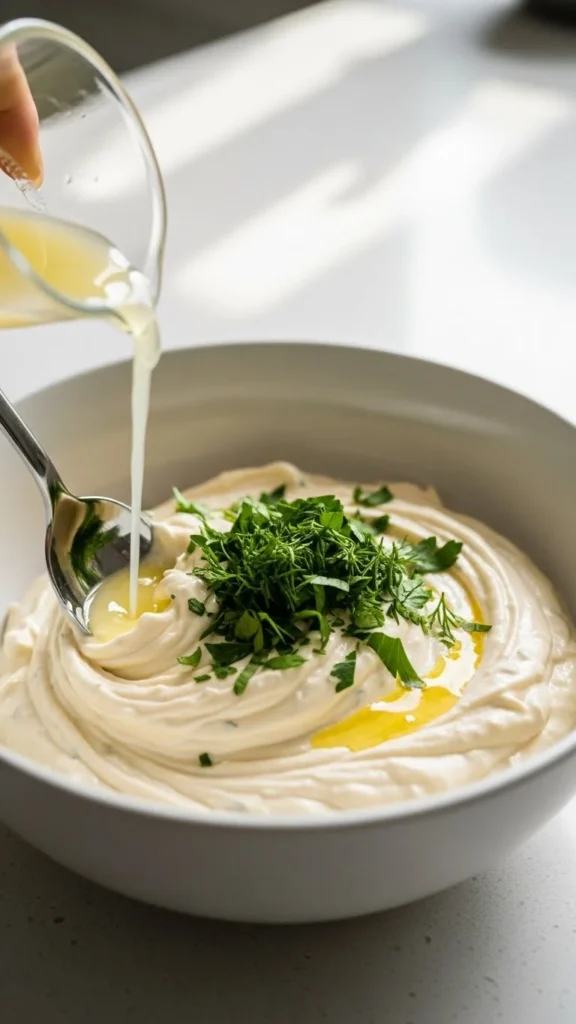
Build Layers of Flavor (Don’t Dump Everything In)
The dips people love most usually have depth. That comes from layering flavors instead of adding everything at once.
Smart flavor layering:
- Season the base first (salt, pepper)
- Add aromatics (garlic, onion powder, spices)
- Mix in main flavor ingredients (cheese, herbs, roasted veggies)
- Finish with acid or fresh toppings
Taste after each step. This simple habit is what separates “okay” dips from unforgettable ones.
Texture Matters More Than You Think
Flavor gets people interested—but texture keeps them dipping.
Ways to add texture:
- Chopped nuts or seeds
- Crispy bacon bits
- Diced pickles or olives
- Roasted corn or peppers
Even creamy dips benefit from a little crunch. Texture contrast makes every bite more exciting.
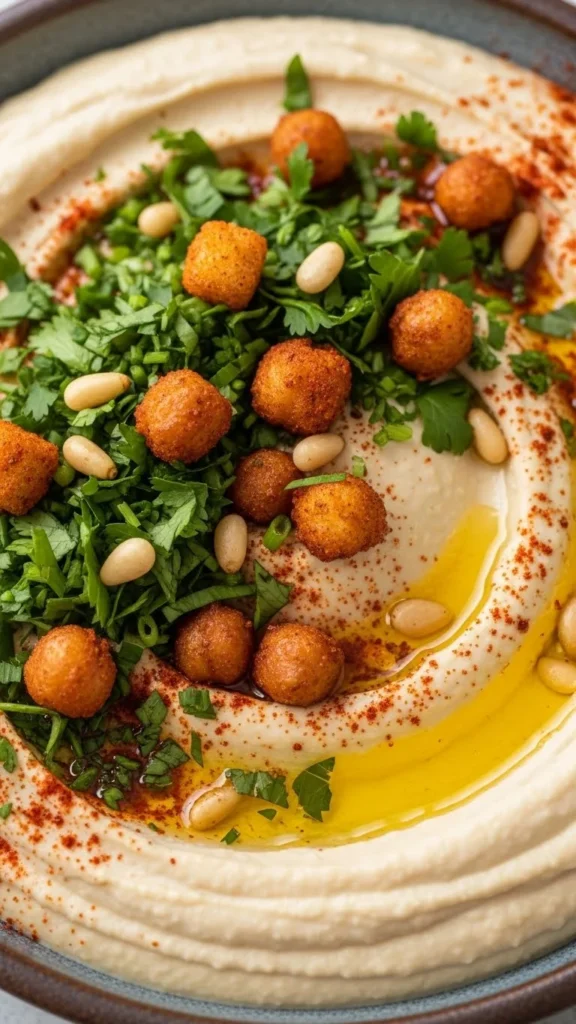
Keep Seasoning Familiar (With One Small Twist)
People love dips that feel approachable. If flavors are too unfamiliar, guests hesitate.
Winning seasoning strategies:
- Stick to classic flavor profiles (cheesy, herby, garlicky)
- Add one unexpected element (smoked paprika, chili oil, honey)
- Avoid overpowering spices
Think comfort food—with personality.
Hot vs. Cold Dips: Know When to Use Each
Both have their place, and choosing the right one can elevate your spread.
Cold dips are great for:
- Make-ahead convenience
- Veggie platters
- Casual snacking
Hot dips shine when:
- Cheese is involved
- You want a cozy, indulgent feel
- Serving bread or chips fresh from the oven
If serving hot dips, keep them warm with an oven-safe dish or warming tray to maintain the right texture.
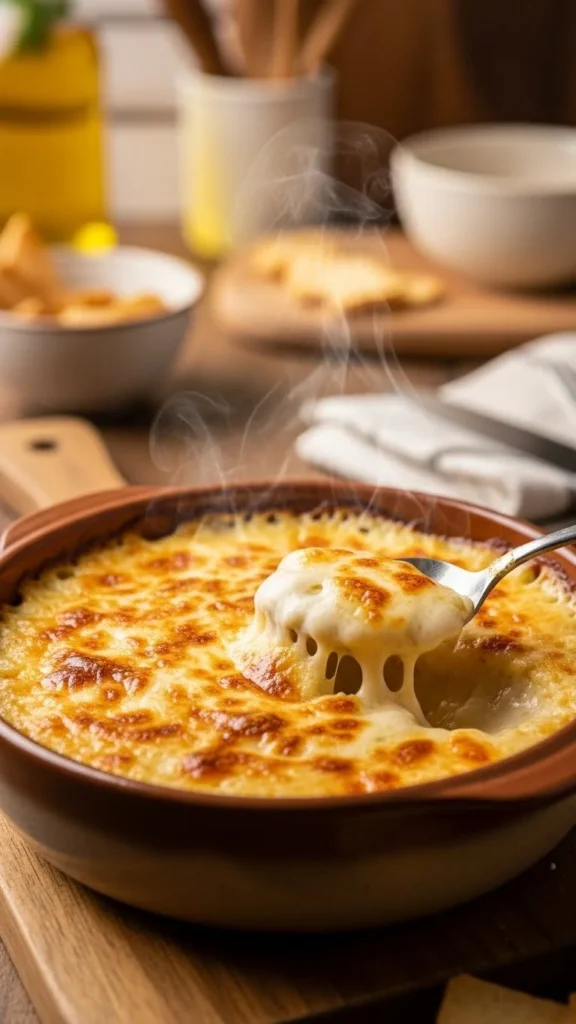
Pair Dips With the Right Dippers
A dip can be perfect—but the wrong dipper ruins the experience.
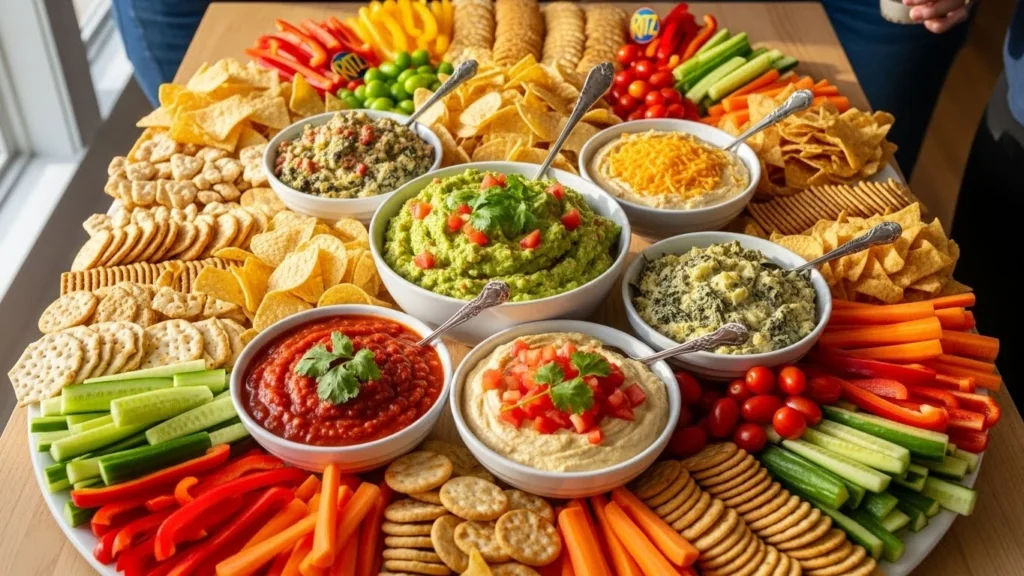
Best dipper pairings:
- Thick chips for heavy dips
- Crackers for creamy spreads
- Bread for warm or cheesy dips
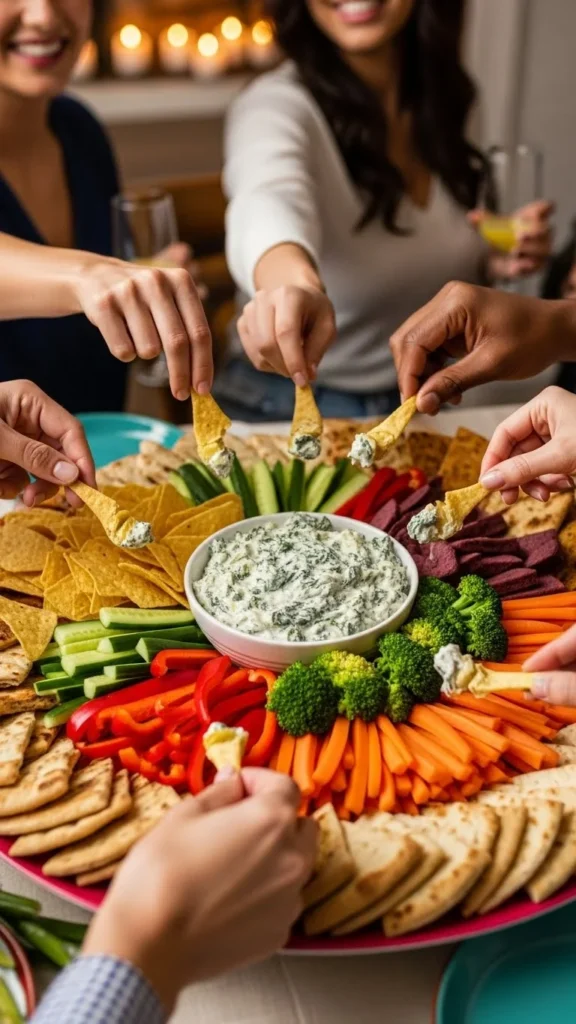
- Fresh veggies for lighter dips
Offer at least two dipper options so guests can choose their favorite combo.
Make Dips Ahead Without Losing Flavor
One of the best things about dips? Many taste better after resting.
Make-ahead tips:
- Prepare dips 2–24 hours in advance
- Cover tightly and refrigerate
- Stir before serving
- Adjust seasoning just before setting out
Fresh herbs and crunchy toppings should be added right before serving for best texture.
Crowd-Pleasing Dip Flavor Ideas
If you’re stuck on what to make, these flavors almost always win:
- Creamy garlic herb
- Cheesy spinach-style dips
- Roasted veggie blends
- Tangy yogurt-based dips
- Mild spicy dips with optional heat on the side
When in doubt, go familiar—but execute it well.
Final Takeaway
Snack dips everyone loves don’t need to be complicated—they need to be balanced. Start with a creamy base, layer flavors thoughtfully, add brightness and texture, and keep seasoning approachable. When a dip feels comforting and exciting, people come back for seconds without thinking.