We’ve all been there. You make a wrap that looks amazing… until the first bite sends fillings sliding out the back and sauce dripping everywhere. Wrap snacks are meant to be easy, portable, and party-friendly—not a structural failure waiting to happen. The good news? Wraps don’t fall apart by accident. They fall apart because of a few fixable mistakes.
Once you understand balance, layering, and rolling technique, your wrap snacks will stay tight, tidy, and totally craveable from the first bite to the last.
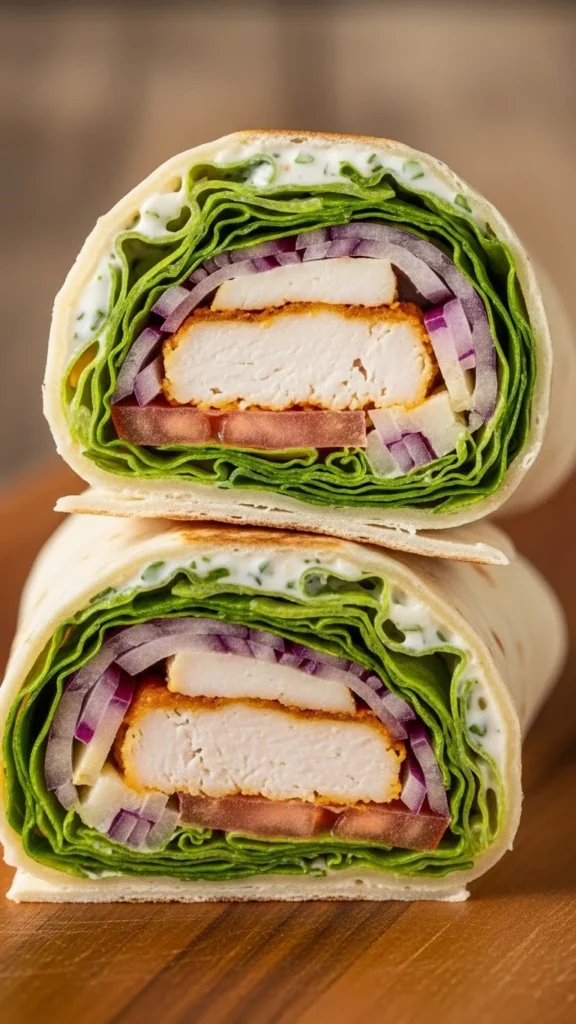
Choose the Right Wrap Base (It Matters More Than You Think)
The foundation of a solid wrap is the wrap itself. If the base is too dry, too thin, or too stiff, no rolling trick will save it.
Best wrap options that hold together well:
- Soft flour tortillas
- Spinach or herb wraps
- Lavash or flatbread
- Soft whole-wheat wraps
Wraps to be careful with:
- Brittle low-carb wraps
- Overly thick naan-style breads
- Dry tortillas straight from the fridge
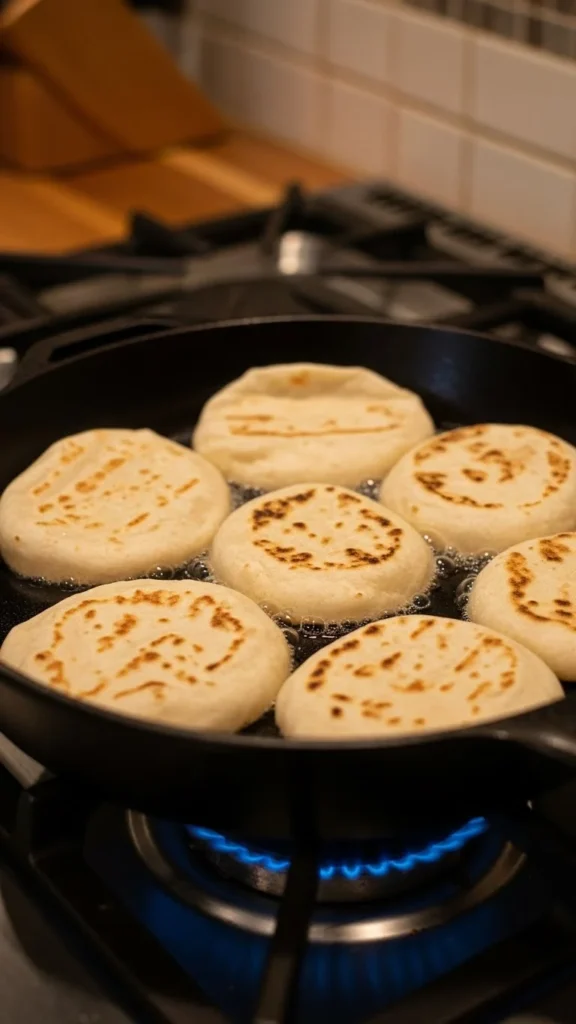
Pro tip: Warm wraps briefly before assembling. A warm wrap is flexible, cooperative, and far less likely to crack.
Control Moisture Before You Build
Too much moisture is the #1 reason wraps fall apart. Juicy ingredients and excess sauce weaken the wrap and cause slipping.
How to manage moisture:
- Pat wet ingredients dry (tomatoes, cucumbers, lettuce)
- Drain cooked veggies and proteins well
- Use thick spreads instead of runny sauces
Better sauce choices:
- Hummus
- Cream cheese
- Thick yogurt-based sauces
- Mashed avocado
Thin sauces can still work—but only in small amounts and never directly against the wrap.
Layer Ingredients Strategically (This Is the Secret)
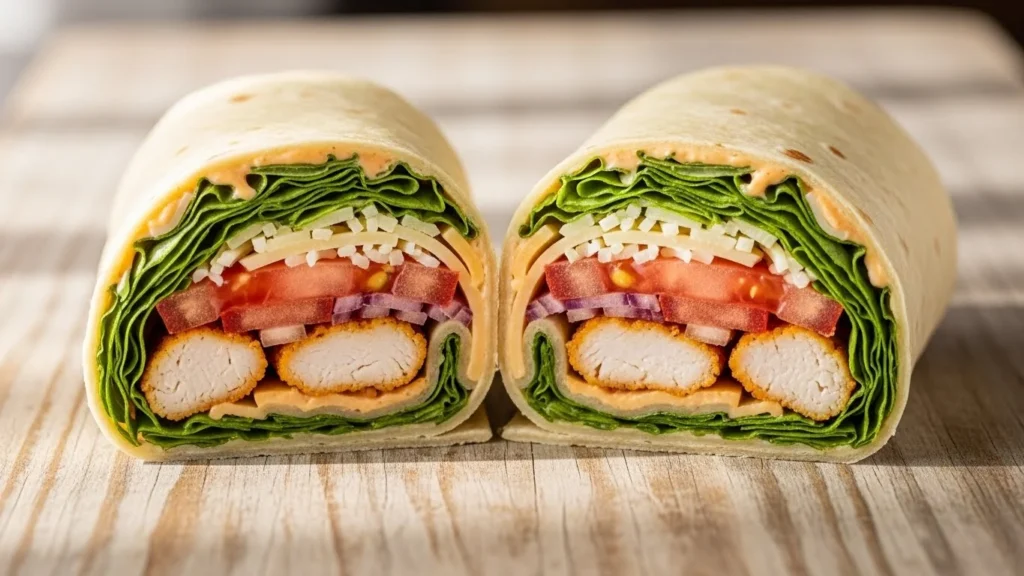
Wraps fall apart when ingredients are stacked randomly. Smart layering creates structure.
The best layering order:
- Spread first – edge to edge (acts like glue)
- Protein next – flat and centered
- Crunchy or sturdy veggies
- Delicate greens last
Avoid piling ingredients in the center only. Even distribution makes rolling easier and prevents bursting.
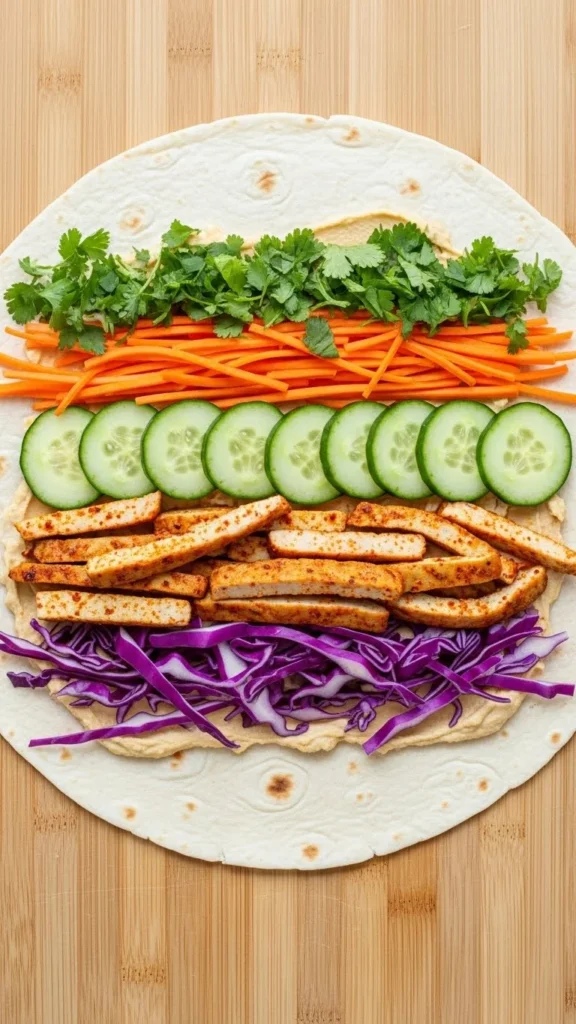
Don’t Overfill (Less Really Is More)
It’s tempting to load wraps with everything you love—but overfilling guarantees failure.
A good rule of thumb:
- Fill only the middle third of the wrap
- Keep ingredients low and flat
- If it looks too full to close easily, it is
Remember: wrap snacks should be compact, not stuffed like burritos (unless they’re wrapped burrito-style).
Use the Proper Rolling Technique
Rolling technique is what turns good ingredients into a wrap that actually stays together.
The tight-roll method:
- Fold the bottom edge up over the filling
- Tuck tightly and pull back slightly
- Fold in both sides
- Roll forward firmly, keeping tension
Think tight but gentle. Loose rolls unravel. Overly aggressive rolling causes tearing.
Seal the Wrap for Extra Hold
For snack-style wraps—especially party platters—sealing is a game changer.
Easy sealing options:
- Toast briefly seam-side down in a pan
- Wrap tightly in parchment paper
- Use foil for warm wraps
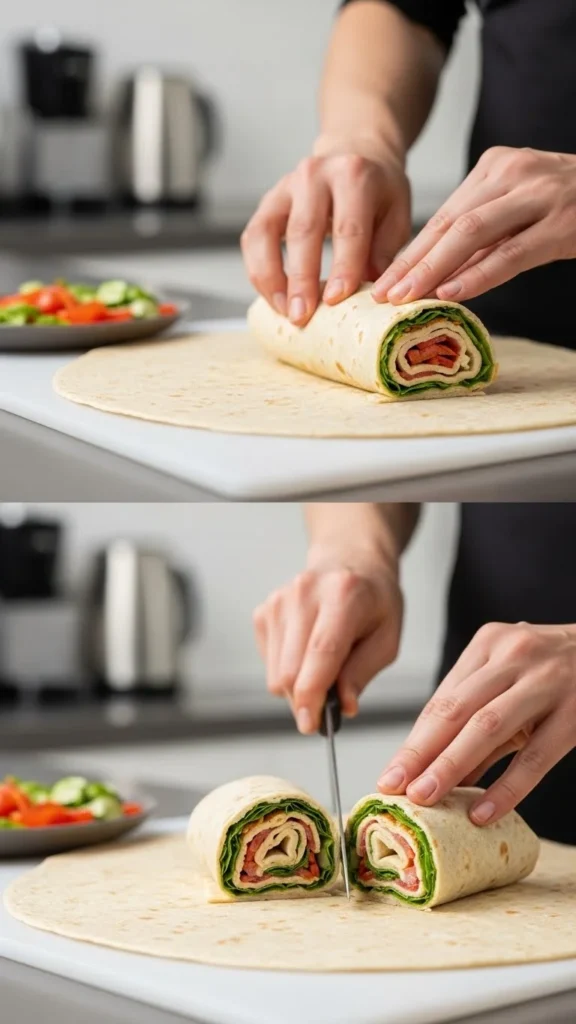
- Slice after chilling for 10–15 minutes
Chilling helps everything set and makes clean slicing much easier.
Cut Wraps the Right Way
How you cut wrap snacks affects how well they hold together when served.
Best cutting tips:
- Use a sharp knife
- Cut on a slight diagonal
- Wipe the blade between cuts
For parties, cutting wraps into pinwheels or halves keeps them tidy and easy to grab.
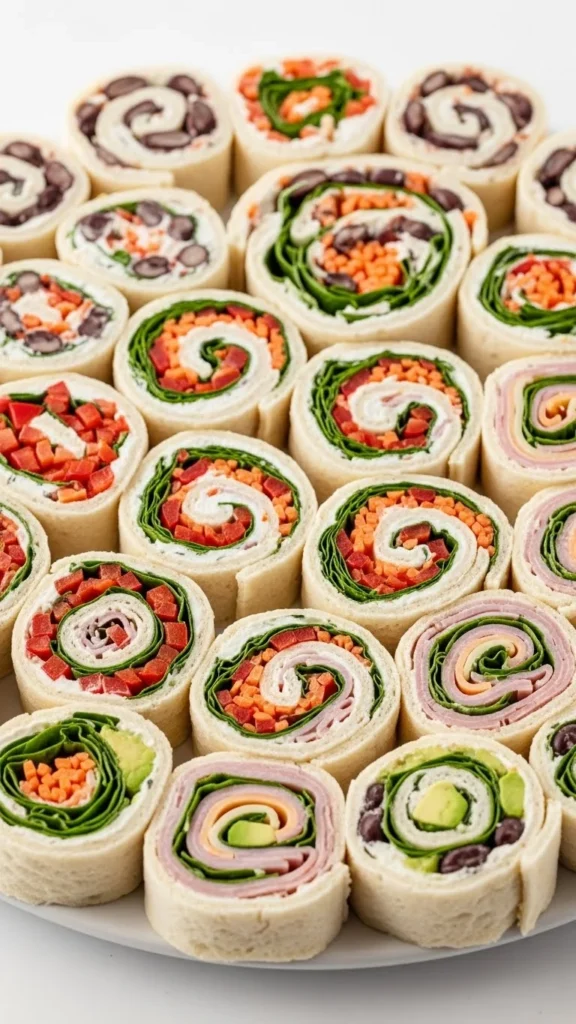
Wrap Snack Fillings That Hold Up Well
Some fillings are naturally more wrap-friendly than others.
Reliable filling combinations:
- Chicken + hummus + roasted veggies
- Turkey + cream cheese + spinach
- Grilled veggies + pesto
- Egg salad with minimal dressing
- Tuna mixed thick, not runny
Avoid watery slaws, excessive oil, or loose ingredients that roll freely.
Make-Ahead Tips Without the Sog
Wrap snacks are great for prepping ahead—if done carefully.
Make-ahead rules:
- Assemble no more than 6–8 hours in advance
- Wrap tightly in parchment or plastic wrap
- Refrigerate immediately
- Slice just before serving when possible
If using greens, place them between protein layers—not directly against the wrap.
Final Takeaway
Wrap snacks don’t fall apart because they’re tricky—they fall apart because of moisture overload, poor layering, or loose rolling. Choose flexible wraps, control wet ingredients, layer with intention, and roll with confidence. Do that, and your wraps will stay neat, sturdy, and snack-ready every time.