If you’ve ever ended up with dry, rubbery salmon instead of that juicy, restaurant-style bite, you’re not alone. The skillet method looks simple—but timing, heat, and even a few seconds can completely change your results. The good news? Once you learn the right technique, you can cook perfect salmon in under 15 minutes with crispy skin and a tender, flaky center every single time.
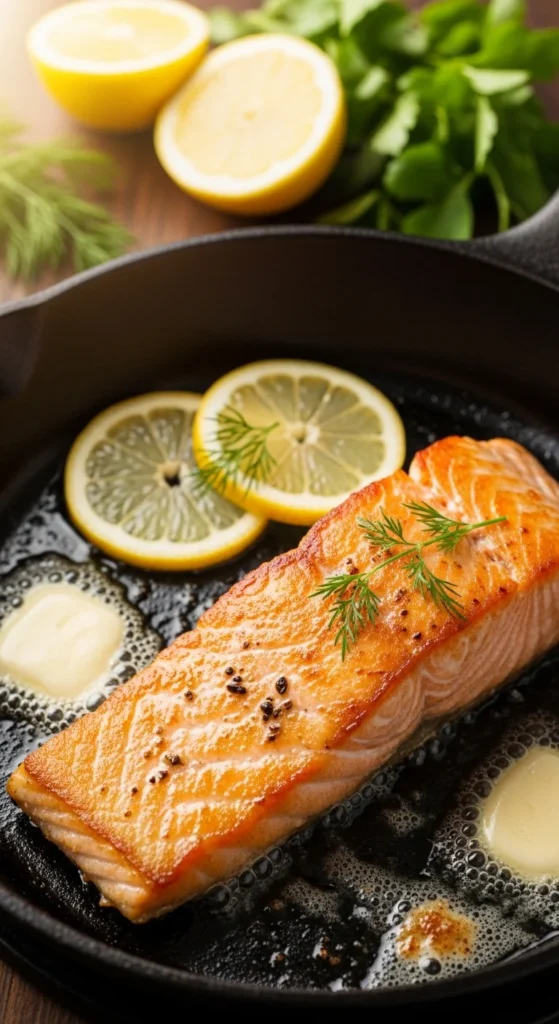
In this guide, you’ll learn exactly how to cook salmon in a skillet without overcooking it—using simple steps, beginner-friendly tips, and foolproof timing. Let’s make it easy, juicy, and absolutely delicious.
Why Skillet Salmon Is the Fastest (and Most Foolproof) Method
Skillet salmon is popular for a reason—it’s fast, flavorful, and gives you that crispy golden crust that oven baking often misses. The key advantage is direct heat control. You can adjust the flame instantly, which helps prevent overcooking.
The biggest mistake people make? Leaving the salmon unattended or using too high heat. Salmon cooks quickly, and the last 2–3 minutes are where most overcooking happens.
To stay safe, remember:
- Medium-high heat is your sweet spot
- Timing is everything (don’t walk away)
- Always remove salmon slightly early—it continues cooking off heat
This simple mindset alone can completely transform your results.
Choosing the Right Pan and Ingredients
The right setup makes a huge difference in how your salmon cooks. A cast iron skillet gives you the best crispy skin, while a good nonstick pan is perfect for beginners who want easy flipping.
What you’ll need:
- Salmon fillets (skin-on is best)
- Salt and black pepper
- Olive oil or avocado oil
- Garlic and butter (for finishing)
- Lemon juice or fresh herbs (optional but recommended)
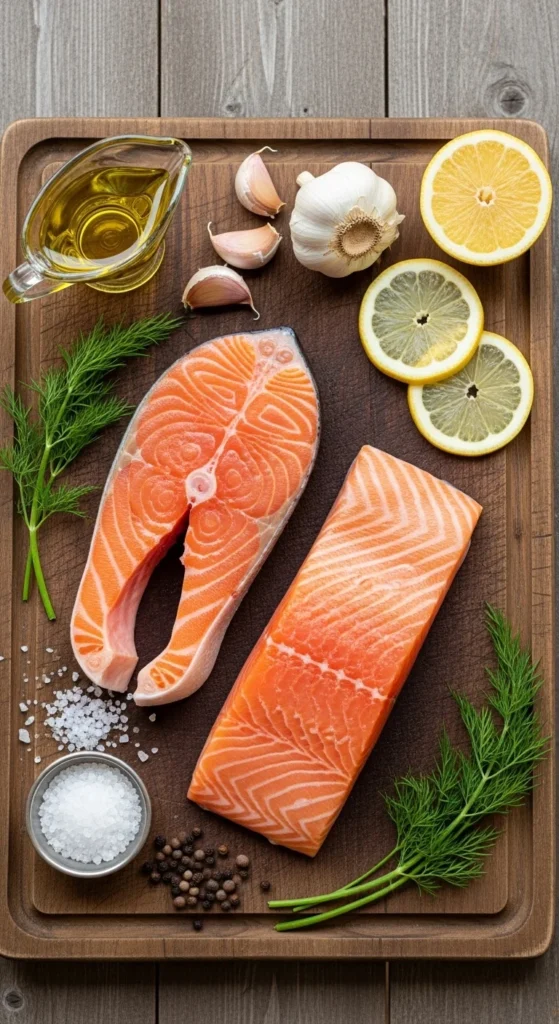
Before cooking, always pat the salmon dry with a paper towel. This step is crucial—moisture is the enemy of crispy skin.
Step-by-Step: How to Cook Salmon in a Skillet
Now let’s get into the actual cooking process. This method is simple but requires attention for a few minutes.
Step 1: Heat the pan properly
Place your skillet over medium-high heat and let it get hot before adding oil.
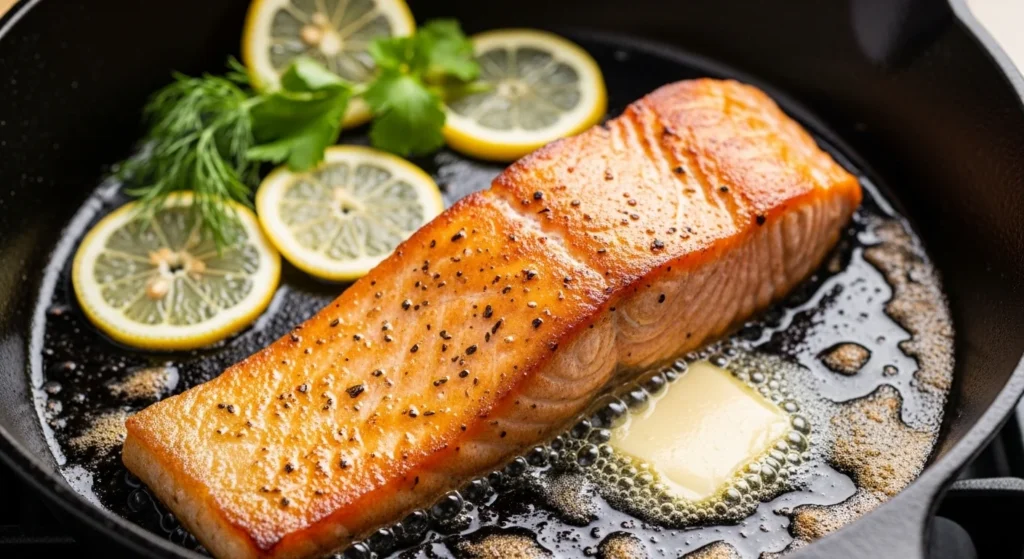
Step 2: Sear skin-side down
Add oil, then place salmon skin-side down. Press gently for a few seconds so it doesn’t curl.
Step 3: Don’t touch it
Let it cook for 4–6 minutes without moving it. This is how you get crispy skin.
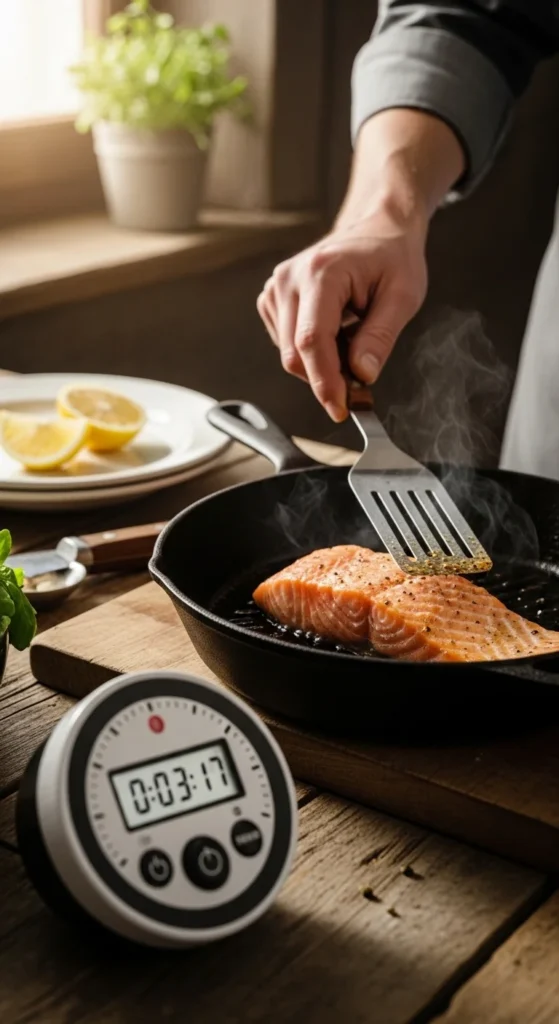
Step 4: Flip once
Flip carefully and cook another 1–3 minutes depending on thickness.
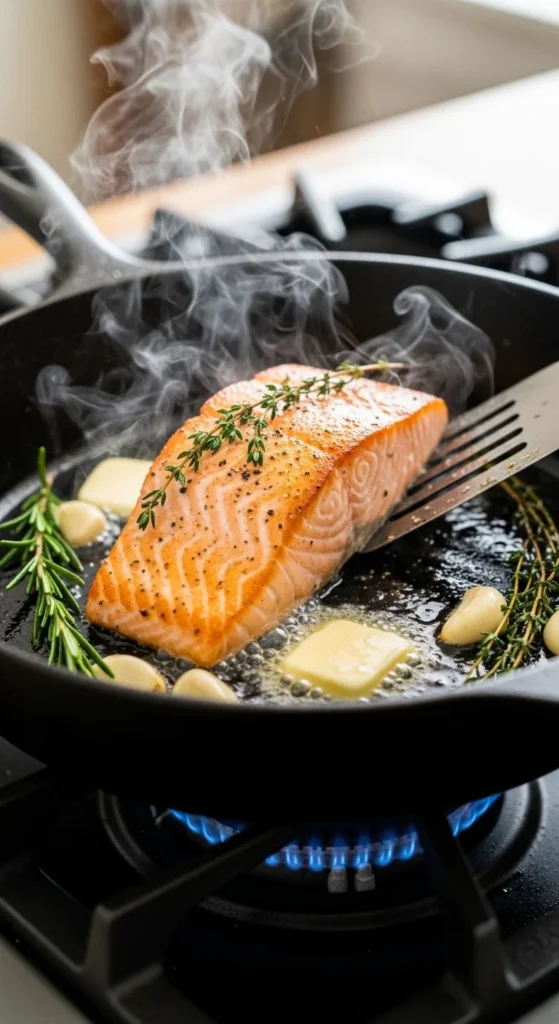
Step 5: Finish with butter
Add butter, garlic, and herbs in the last minute and spoon it over the salmon for extra flavor.
Heat Control + Timing Is Everything
If there’s one secret to perfect skillet salmon, it’s heat control. Too high, and the outside burns before the inside cooks. Too low, and you lose that crispy texture.
Quick timing guide:
- Thin fillet: 3–4 min skin-side, 1–2 min flip-side
- Medium fillet: 4–6 min skin-side, 2–3 min flip-side
- Thick fillet: 6–7 min skin-side, 3–4 min flip-side
Always remember: salmon continues cooking after you remove it from the pan. This “carryover heat” is why you should pull it off slightly early.
How to Get Crispy Skin (Without Sticking or Ruining It)
Crispy skin is the highlight of skillet salmon—but it’s also where most mistakes happen.
Avoid these common errors:
- Not drying the fish properly
- Moving it too early
- Using a cold pan
- Overcrowding the skillet
Instead, follow this golden rule: hot pan + dry skin + patience = perfect crispiness
Also, always cook skin-side down first. It protects the delicate flesh and builds that crunchy base layer.
Doneness Guide + Serving Ideas
Knowing when salmon is done is easier than you think. Look for:
- Opaque edges with a slightly translucent center
- Flesh that flakes easily with a fork
- Internal temperature around 145°F (if using a thermometer)
Once done, let it rest for 2 minutes before serving.
Serving ideas:
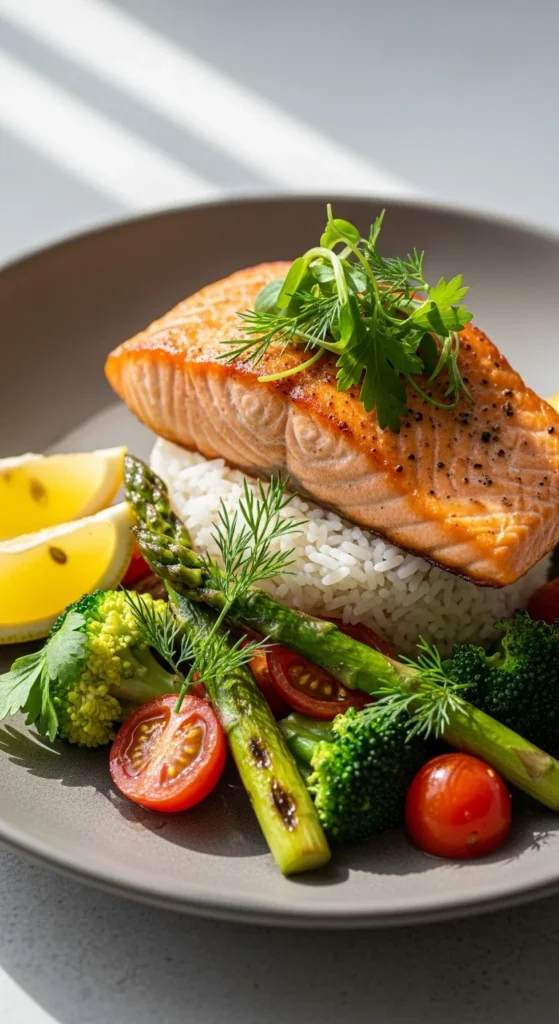
- Over rice bowls with veggies
- On top of fresh salads
- With roasted potatoes or pasta
- Wrapped in tortillas for quick salmon tacos
Final Thoughts
Skillet salmon doesn’t have to be intimidating. Once you understand heat control, timing, and the importance of not overcooking by even a minute, it becomes one of the easiest and most reliable dinners you can make.
Whether you’re cooking for a quick weeknight meal or trying to impress guests, this method gives you crispy skin, juicy texture, and restaurant-quality flavor in under 15 minutes.
Save this recipe for later—you’ll come back to it more often than you think.