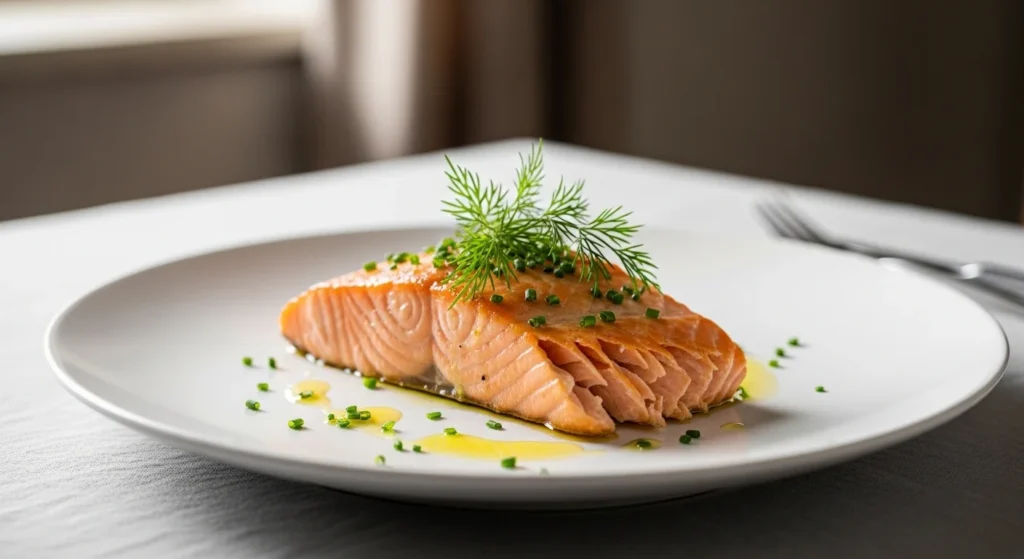
If you’ve ever dreamed of salmon that melts in your mouth—soft, silky, and never dry—slow cooking is your secret weapon. This method transforms salmon into a restaurant-quality dish with almost zero stress.
No rushing. No guessing. Just low heat, gentle cooking, and perfectly tender fish every single time.
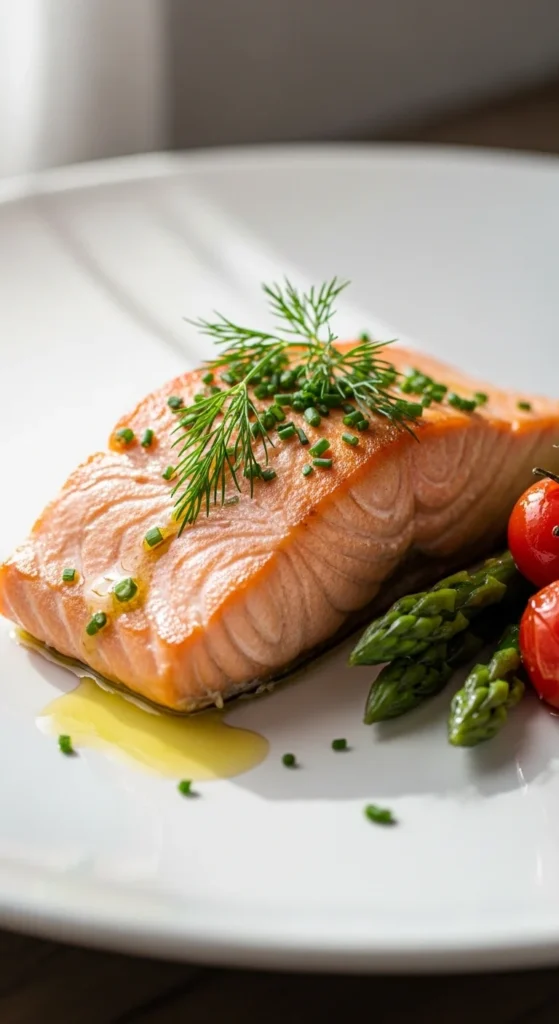
Why Slow Cooking Salmon Works
The magic is in the low temperature.
Unlike high-heat baking or frying, slow cooking gently brings the salmon to the perfect doneness—edge to center—without drying it out.
Here’s why it works so well:
- Even cooking (no dry edges, no raw center)
- Ultra-tender, silky texture
- Less risk of overcooking
- Retains natural moisture and flavor
Think of it as the “low and slow” method for foolproof salmon.
The Ideal Temperature & Timing
Forget strict cooking times—temperature matters more.
🔥 Oven Temperature:
- 225°F – 275°F (107–135°C) = sweet spot for slow cooking
⏱️ Cooking Time:
- Thin fillet: 20–25 minutes
- Medium fillet: 25–30 minutes
- Thick fillet: 30–40 minutes
💡 Tip: Lower temperature = more forgiving results.
Internal Temperature (Your Secret Weapon)
If you want truly perfect salmon, use a thermometer.
- 120–125°F (49–52°C) → very soft, buttery texture
- 125–130°F (52–54°C) → ideal balance (recommended)
- 135°F+ (57°C) → more firm, fully cooked
👉 Remove salmon early—it continues cooking after you take it out (carryover heat).
What You’ll Need
Simple ingredients = best flavor.
Ingredients:
- Salmon fillets (preferably skin-on)
- Olive oil or melted butter
- Salt & pepper
- Lemon slices
Optional add-ons:
- Garlic
- Fresh dill or parsley
- Honey or mustard
- Soy sauce + ginger (for an Asian twist)
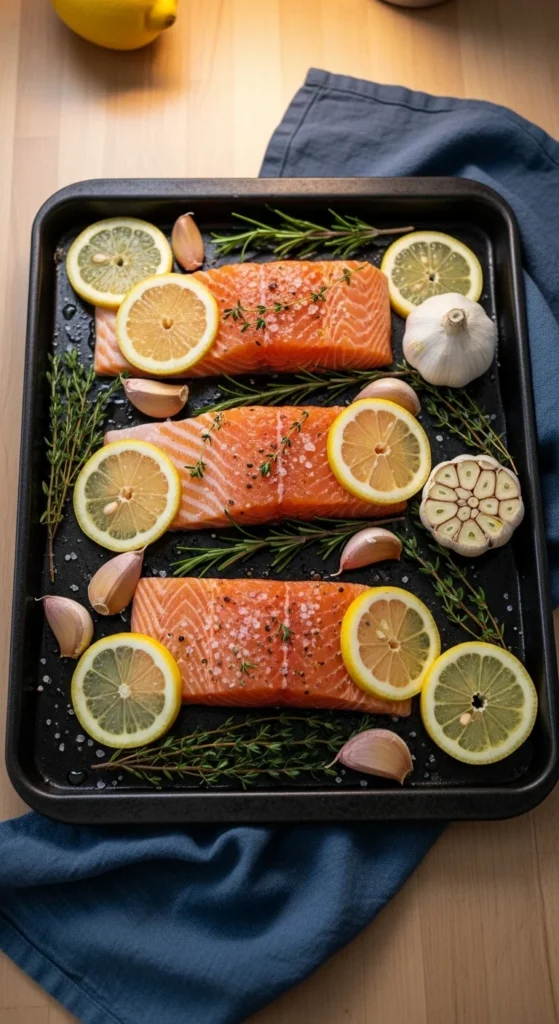
Step-by-Step: Foolproof Slow-Cooked Salmon
1. Prep the Salmon
- Pat dry with paper towels
- Rub with olive oil or butter
- Season lightly with salt, pepper, and lemon
2. Preheat & Prepare
- Set oven to 250°F (120°C)
- Line a baking sheet with parchment paper
- Place salmon skin-side down
3. Slow Cook Gently
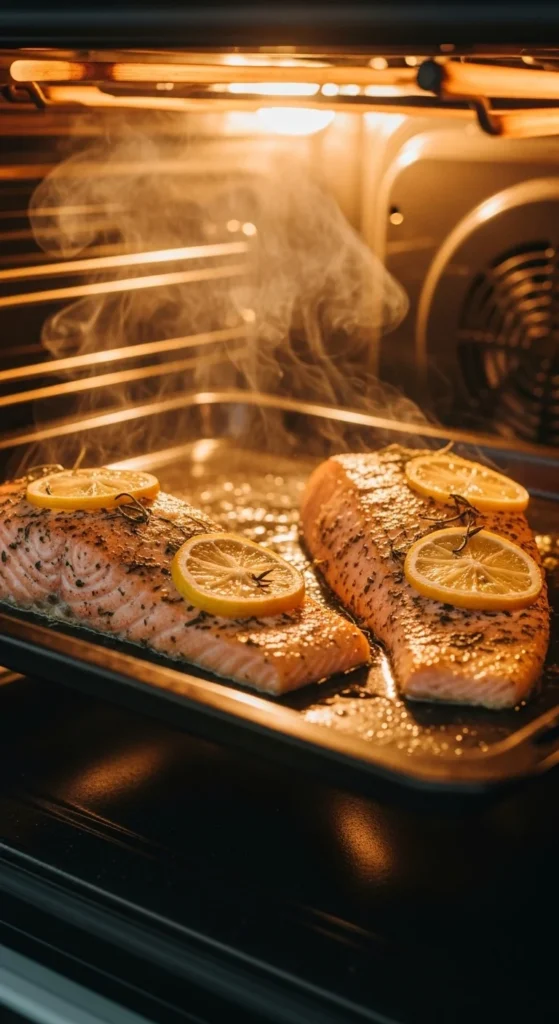
- Place in oven uncovered (or loosely covered for extra moisture)
- Cook based on thickness (see timing above)
4. Check for Doneness
- Outside should look opaque
- Center slightly translucent
- Fish should flake easily
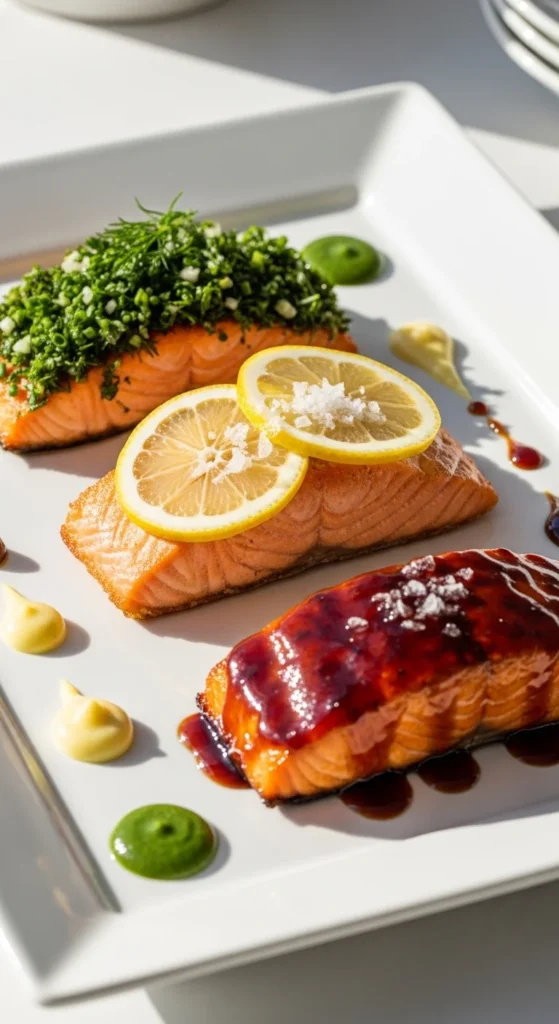
Flavor Variations You’ll Love
Slow cooking enhances natural flavor—so keep it simple or elevate it with these ideas:
🍋 Lemon Garlic Classic
- Olive oil + garlic + lemon slices
- Fresh, clean, and foolproof
🌿 Herb Butter
- Melted butter + dill + parsley
- Rich and aromatic
🥢 Soy Ginger Glaze
- Soy sauce + ginger + a touch of honey
- Sweet, savory, and bold
🌶️ Chili Lime
- Chili flakes + lime juice
- Light heat with a citrus kick
Common Mistakes to Avoid
Even though this method is forgiving, avoid these pitfalls:
- ❌ Cooking at high temperature → dries out fish
- ❌ Skipping oil/butter → less moisture protection
- ❌ Overcooking “just to be safe” → ruins texture
- ❌ Not resting the salmon → juices escape
👉 Remember: slightly undercooked is better than overcooked.
Pro Tips for Ultra-Tender Salmon
Want next-level results? These small tricks make a big difference:
- Use skin-on fillets to lock in moisture
- Let salmon sit at room temp for 10 minutes before cooking
- Add a thin layer of oil = prevents drying
- Rest for 3–5 minutes after cooking
- Use a thermometer for precision
Slow Roast vs Other Methods
Here’s why slow cooking stands out:
- Vs baking: more even cooking, less dryness
- Vs frying: healthier, no oil splatter
- Vs steaming: richer flavor, slightly firmer texture
- Vs sous vide: similar tenderness, but easier at home
Make It a Complete Meal
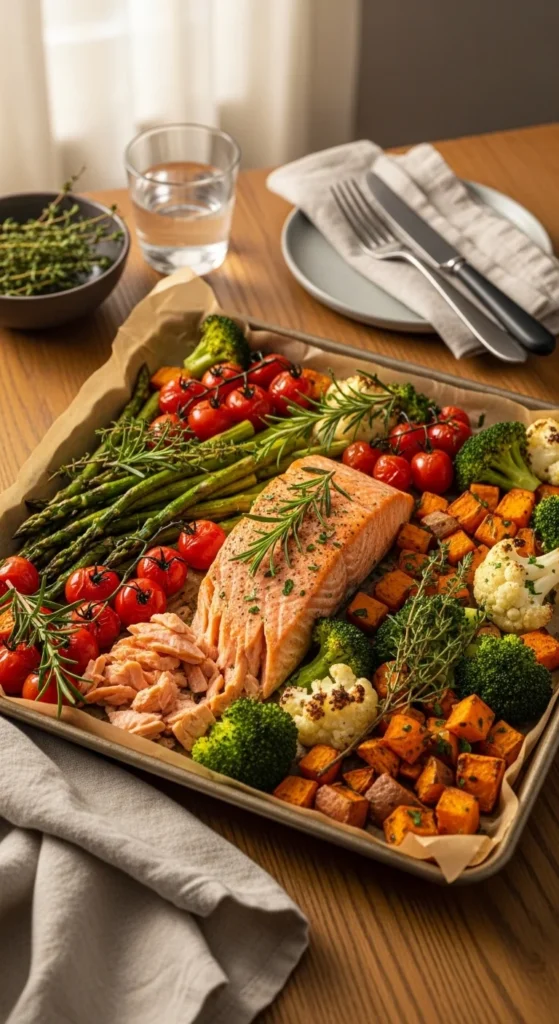
Turn your salmon into a full dinner by adding veggies to the same tray:
- Asparagus
- Zucchini
- Cherry tomatoes
- Baby potatoes
Drizzle everything with olive oil and cook together—easy and healthy.
Final Thoughts
Slow cooking salmon is one of the easiest ways to guarantee a tender, juicy, never-dry result. With just a low oven, simple ingredients, and a little patience, you can create a dish that feels straight out of a high-end restaurant.
No stress. No guesswork. Just perfect salmon—every time.
👉 Save this guide for later and try it tonight—you might never go back to high-heat cooking again!